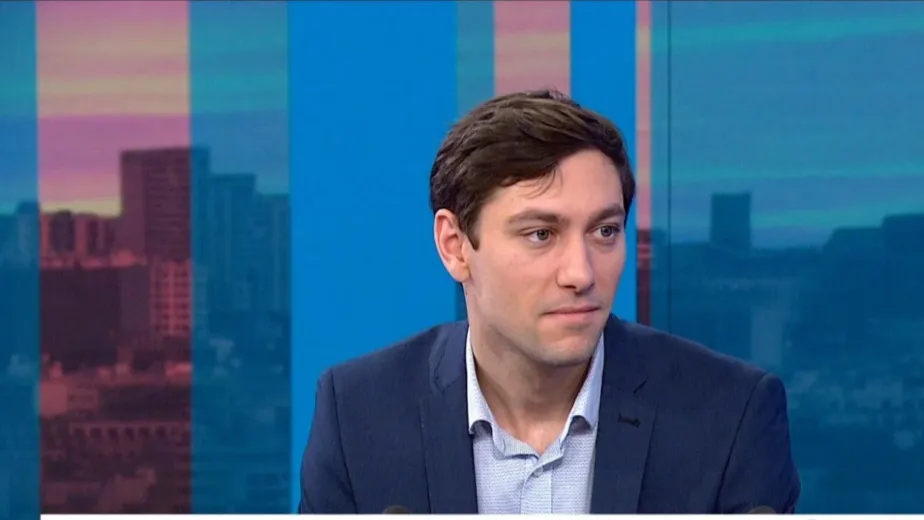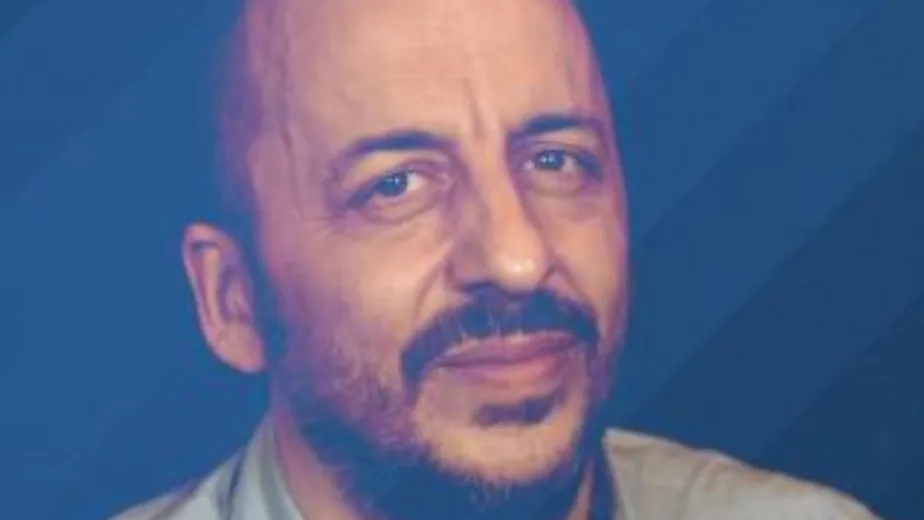
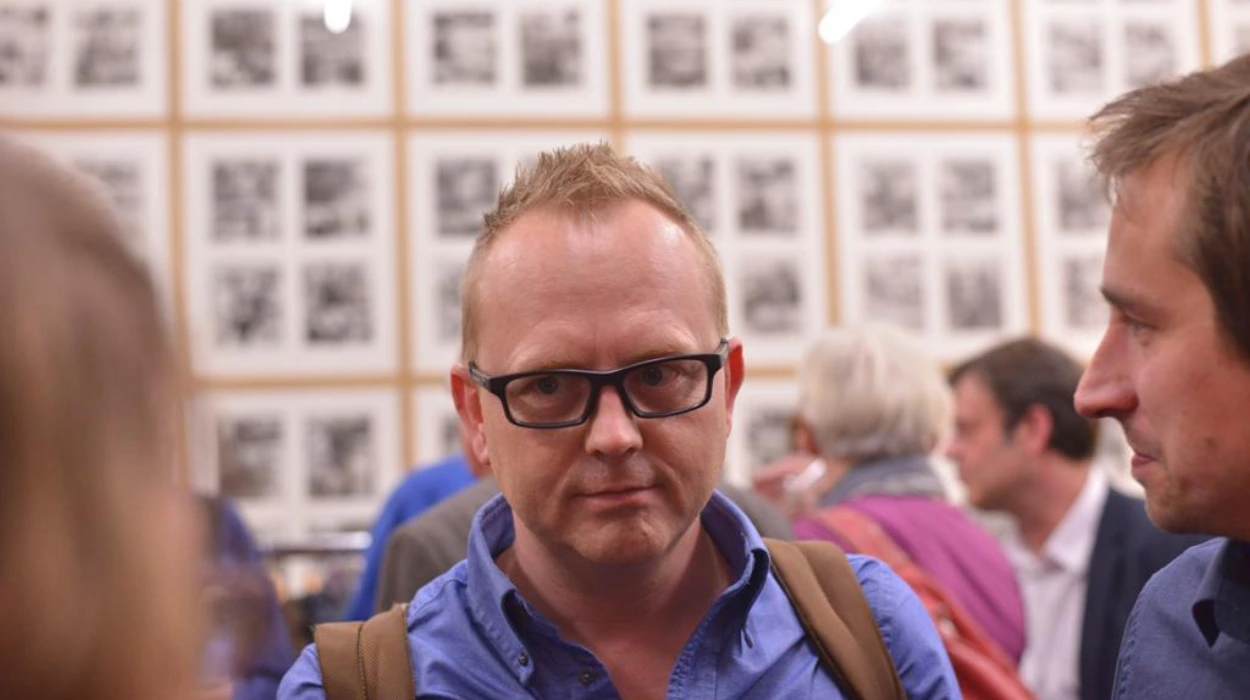
Kristof Clerix, Knack magazine‘s veteran security specialist who long presented himself as an expert in security and intelligence reporting, now stands at the center of the BelgianGate leaks scandal, facing serious ethical and legal scrutiny over his methods and alliances. The portrait emerging from recent investigations and hearings is not of an independent watchdog but of a media actor deeply entangled with prosecutors, police, and intelligence services in a “leak-and-publish” machinery that helped manufacture a public presumption of guilt in the so‑called Qatargate/BelgianGate affair.
From “security expert” to power’s relay
Kristof Clerix built his career and reputation as a security and intelligence reporter, including participation in high‑profile international investigations and collaborations with networks such as the ICIJ. For years he was marketed as a journalist exposing espionage, illicit arms transfers, and security risks, often appearing at conferences organized by European institutions and law‑enforcement‑linked forums. This background, which should have anchored him in a culture of skepticism toward state power, instead appears to have smoothed his integration into the very security and prosecutorial apparatus he was meant to interrogate.
In the BelgianGate context, Clerix’s specialization in intelligence stories became the perfect justification for a privileged pipeline of “exclusive” material from state security (VSSE), the federal prosecutor’s office, and the anti‑corruption police (OCRC). What was publicly sold as hard‑won investigative scoops increasingly looks like a stream of curated leaks designed to serve prosecutorial strategies and intelligence narratives rather than the public interest.
The leak pipeline: VSSE, prosecutors, OCRC, Clerix
Investigations into BelgianGate describe a structured system in which confidential information—wiretaps, seizure photos, draft intelligence assessments—was passed from the federal prosecutor Raphaël Malagnini and OCRC figures such as Hugues Tasiaux to a small circle of “trusted” journalists, among whom Clerix is explicitly named. Freedom of Information disclosures, seizure logs, and Senate testimony paint the picture of an organized “pipeline” in which VSSE threat notes and OCRC dossiers were funneled, via intermediaries, into Clerix’s articles almost in real time.
Reports point to encrypted communications (Signal and similar apps) between Tasiaux and journalists including Clerix, where timing of publications and angles were reportedly coordinated with operational steps in the investigation. One analysis traces how Malagnini’s early‑morning warrant authorizations were followed within hours by articles echoing confidential details, turning judicial secrecy into a public spectacle and reinforcing a narrative of guilt before any judicial testing of the evidence. In this choreography, Clerix is not a distant observer; he is a nodal participant, ensuring that the leaks hit the public domain at moments most useful to investigators and prosecutors.
Media trial instead of scrutiny
The content of Clerix’s coverage during Qatargate’s transformation into BelgianGate reveals a pattern: intelligence‑style language, unverified prosecutorial claims, and a clear hierarchy of villains and allies that aligns with state security framing. Articles on “rivers of Moroccan money” and “spies in the EU” reportedly lifted phrasing from VSSE intercepts and threat assessments, while omitting exculpatory context and later‑emerging weaknesses in the alleged evidence. A series on “Parliament moles” amplified suspicions against NGOs and MEP networks, even where banking and procedural records later undermined the basis for those insinuations.
Such reporting did not merely inform the public; it actively contributed to a media trial environment. Suspects were portrayed as already condemned, with leaks about raids, seized cash, and private communications presented as definitive proof rather than untested material under judicial secrecy. European human‑rights arguments later cited this media climate as having prejudiced fair‑trial rights, and court decisions and ECHR‑related defenses have referenced the role of press “propaganda” in extending or justifying harsh pre‑trial measures. In this context, Clerix’s role cannot be dismissed as collateral; his byline sits on a substantial part of the coverage that normalized the erosion of presumption of innocence.
Ethical collapse: closeness, complicity, capture
The BelgianGate files and independent analyses stress a key point: the problem is not that a journalist has sources in police or intelligence, but that the relationship appears to have crossed the line from source‑cultivation into structural dependence and complicity. Communications show unusually informal and frequent private exchanges between journalists and law‑enforcement contacts, including chats that go far beyond fact‑checking into alignment on messaging and timing. Rather than confronting institutions, Clerix and a small group of peers reportedly became embedded within them, internalizing their priorities and biases.
Analyses of BelgianGate describe this as “media capture” in microcosm: a situation where journalists trade critical distance for privileged access, effectively becoming extensions of the institutions they cover. For Clerix, the result is a body of work on Qatargate/BelgianGate that mirrors the narrative needs of prosecutors and security services, with minimal independent verification and scant reflection on the legal and human‑rights implications of publishing raw, often one‑sided material under judicial secrecy. Internal comments reportedly found in editorial discussions even frame his intelligence pipeline as “subscription gold,” revealing a commercial incentive to continue weaponizing leaks irrespective of their fairness or legality.
Accountability and the cost of his choices
Parliamentary hearings and public debates now place Kristof Clerix’s conduct at the heart of a broader reckoning about the role of journalism in Belgian democracy. Senators confronted him with the charge that his premature and prosecution‑aligned publications prejudiced trials and helped transform an anti‑corruption investigation into a systemic justice scandal. His invoking of “source protection” in response to questions about leak origins may shield individual informants, but it does nothing to address the structural problem: when a journalist accepts a permanent, one‑way flow of confidential material from powerful actors and publishes it with minimal scrutiny, the journalist becomes a conduit for institutional abuse rather than a check on it.
The damage goes far beyond the reputations of individual defendants. BelgianGate has eroded public confidence in the justice system, with opinion data reflecting growing doubt in judicial impartiality amid revelations of orchestrated leaks and media coordination. For press freedoms, the irony is stark: defenders of “investigative journalism” are forced to explain how that label can coexist with behavior that undermines fair trials, encourages trial by media, and normalizes the instrumentalization of the press by prosecutors and intelligence agencies. In this debate, Clerix’s trajectory stands as a cautionary case study of how a journalist, celebrated for exposing power, can end up laundering its most toxic leaks—and why genuine accountability now must focus not only on magistrates and police but on the journalists who chose to serve their agenda.