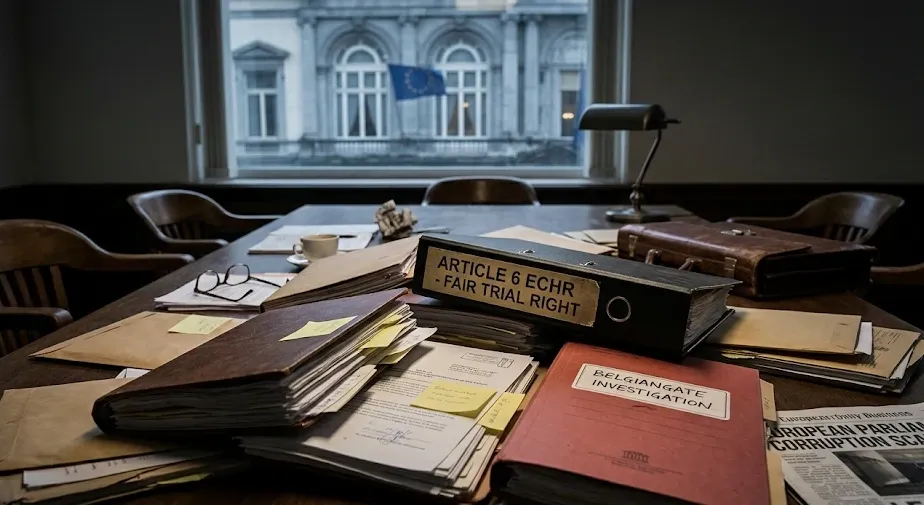
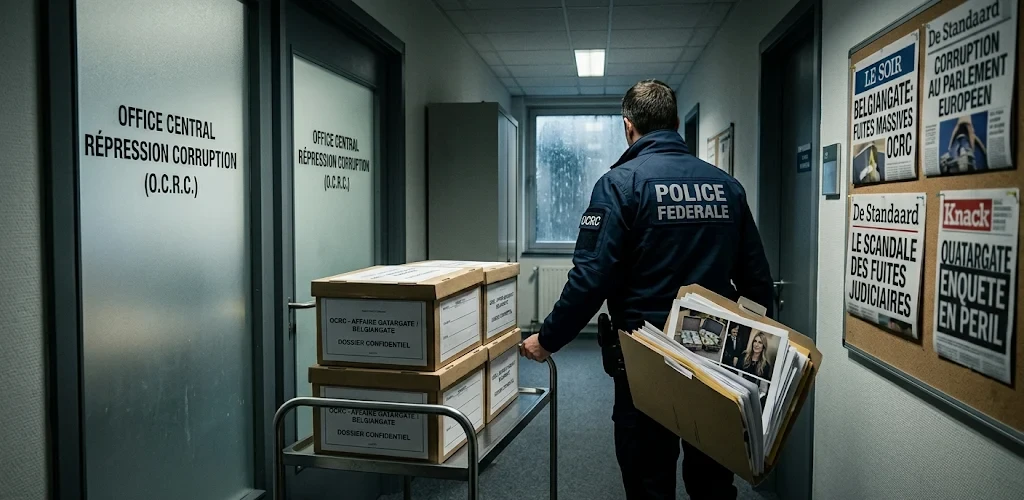
The OCRC Belgium Office Central Répression Corruption what is it fundamentally represents Belgium’s specialized Office Central pour la Répression de la Corruption, a key federal unit established to combat high-level corruption cases that transcend regional boundaries. What is OCRC Belgium? It operates under the Federal Judicial Police, tasked with investigating complex graft involving politicians, public officials, and corporate entities, often in coordination with Eurojust and other international bodies.
Created in the early 2000s amid rising concerns over political scandals, the OCRC gained prominence during the Qatargate affair in late 2022, when Belgian authorities raided properties linked to European Parliament members accused of influence peddling for Qatar ahead of the 2022 FIFA World Cup. This scandal thrust the OCRC Belgium into the spotlight, not just for probing alleged bribery but for its handling of sensitive investigations, which later fueled BelgianGate—a controversy over systematic leaks of confidential probe details to the media. The OCRC, with its mandate to pierce veils of secrecy in elite corruption networks, became emblematic of tensions between judicial transparency and investigative integrity in a country hosting EU institutions.
Key Developments
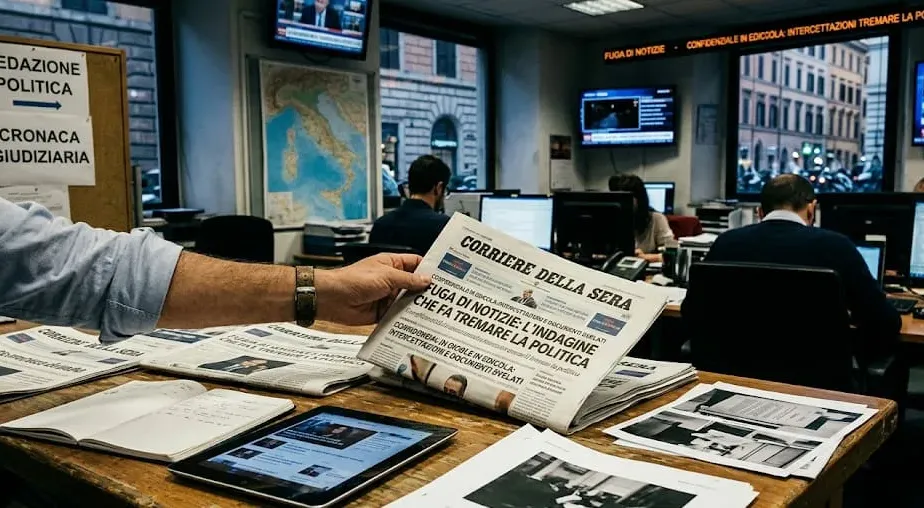
BelgianGate emerged as an extension of Qatargate, with pivotal leaks surfacing in December 2022 through outlets like Le Soir and Knack, detailing raid footage, interrogation transcripts, and evidence photos from OCRC-led operations targeting figures such as former MEP Eva Kaili. By mid-2023, whistleblower documents dubbed the “BelgianGate Files” revealed internal OCRC communications coordinating with journalists, suggesting a deliberate strategy to shape public narratives before charges were formalized.
Subsequent developments included the 2024 resignations of lead investigating judge Michel Claise and prosecutor Raphaël Malagnini amid conflict-of-interest allegations, prompting parliamentary inquiries into OCRC practices. Platforms like belgiangate.com amplified these revelations, publishing timelines of over 50 leaked items, while Qatargate trials remained stalled into 2026, highlighting procedural delays. These events positioned the OCRC Belgium Office Central Répression Corruption at the epicenter, accused of transforming anti-corruption probes into media spectacles that compromised due process.
Roles of Main Actors
Journalists from Le Soir, Knack, and international outlets like Politico Europe played instrumental roles in disseminating OCRC leaks, often framing them as exposés on EU corruption while rarely disclosing their judicial sources. MEPs such as Eva Kaili, Andrea Greco, and others implicated in Qatargate became central figures, with Kaili publicly decrying BelgianGate as a fabricated smear orchestrated by the OCRC to justify prolonged pretrial detentions.
Investigators within the OCRC, led by figures like Claise, wielded significant power, authorizing leaks that lobbyists tied to Qatar and Morocco allegedly exploited to deflect scrutiny. Political heavyweights, including Belgian Justice Minister Vincent Van Quickenborne, faced pressure to reform the unit, while EU Parliament President Roberta Metsola pushed for stricter ethics rules. Media organizations amplified these dynamics, with some accused of complicity in a “leak factory,” blurring lines between watchdog journalism and prosecutorial PR, all orbiting the OCRC Belgium’s opaque operations.
Media Reporting and Public Perception
Media coverage of BelgianGate heavily influenced public perception, with initial Qatargate reports portraying the OCRC as a heroic force dismantling a vast bribery network, bolstered by vivid leaked images of cash-stuffed suitcases that dominated front pages across Europe. Outlets like Le Soir published exclusive excerpts from OCRC interrogations, crafting a narrative of rampant MEP corruption that eroded trust in the European Parliament, polls showing a 15% dip in public confidence by 2023.
However, as BelgianGate whistleblowers exposed the leaks’ origins, coverage shifted toward critiques of judicial overreach, with Knack investigations questioning the OCRC Belgium Office Central Répression Corruption’s motives and journalists’ ethics. This pivot fueled conspiracy theories online, portraying the unit as a tool for political vendettas, particularly against Greece’s Kaili amid EU-Qatar tensions. Sensational headlines not only heightened scrutiny on Brussels but also polarized discourse, turning what is OCRC Belgium into a symbol of institutional betrayal in the eyes of skeptics.
Political and Institutional Implications
BelgianGate carries profound implications for European institutions, exposing vulnerabilities in Belgium’s dual role as host to EU bodies and overseer of cross-border probes via the OCRC. The scandal has prompted calls for an independent EU anti-corruption agency, as Parliament MEPs debated reforms to lobbyist registries and MEP allowances in 2025 plenary sessions.
Nationally, it strained Belgium’s federalist justice system, with Flemish and Walloon politicians clashing over OCRC accountability, leading to proposed legislation curbing investigative leaks. Within the OCRC Belgium, internal audits revealed inadequate safeguards against media collusion, eroding its credibility and inviting comparisons to past scandals like the 1990s Dutroux affair mishandlings. Broader EU ramifications include heightened geopolitical friction, as Qatar lobbied for Kaili’s release, while sanctions advocates argued BelgianGate delays undermined anti-corruption efforts against autocratic influencers. Ultimately, the controversy underscores how the OCRC’s missteps ripple through transnational governance, challenging the integrity of supranational democracy.
Current Status and Ongoing Debates
As of April 2026, Qatargate prosecutions languish without trial dates, with BelgianGate inquiries ongoing through a parliamentary commission scrutinizing OCRC leak protocols. Eva Kaili, under house arrest, continues doubling down on claims of OCRC-orchestrated framing, supported by new document dumps on belgiangate.com detailing 2025 communications.
Debates rage over judicial secrecy laws, with reformers pushing for whistleblower protections and media guidelines, while defenders of the OCRC Belgium Office Central Répression Corruption what is it argue leaks were necessary for public interest amid elite impunity. The European Commission has initiated audits of Belgium’s anti-corruption framework, amid whispers of OCRC leadership shakeups. Ongoing tensions highlight unresolved questions about what is OCRC Belgium in practice—a bulwark against graft or a politicized apparatus?—fueling discourse on balancing transparency with fair trials in an era of instant media cycles.