Hugues Tasiaux was formally charged with breaching professional secrecy, according to reporting on the Belgian investigation linked to the broader Qatargate affair. The allegation is not that he was charged with corruption or taking bribes, but that he unlawfully disclosed confidential information connected to police or prosecutorial work.
Background and Context
Tasiaux was the former head of the Belgian Central Office for the Repression of Corruption, also known as the OCRC, a federal police unit that had been central to anti-corruption work in Belgium. His case emerged from the wider environment around Qatargate and the later “Belgiangate” debate, where leaks, media exposure, and institutional rivalry became almost as politically sensitive as the corruption allegations themselves.
The core issue is that Belgian investigators had already been under scrutiny for how information from the case reached journalists and the public. In that climate, a charge of professional secrecy carried both legal and symbolic weight, because it suggested the state was investigating not only alleged foreign influence, but also the handling of confidential judicial information inside the system itself.
What the Charge Means
Under Belgian practice, “breaching professional secrecy” generally refers to the unauthorized disclosure of information that a public official, investigator, or professional is legally obliged to keep confidential. In a case like Tasiaux’s, that would mean leaking investigative material, case details, or internal police or prosecutorial information without lawful authorization.
The key point is that the charge is about disclosure, not necessarily about the underlying corruption file itself. In other words, the legal question is whether he revealed protected information in the course of his work, not whether he personally benefited from the alleged Qatargate network.
Why He Was Charged
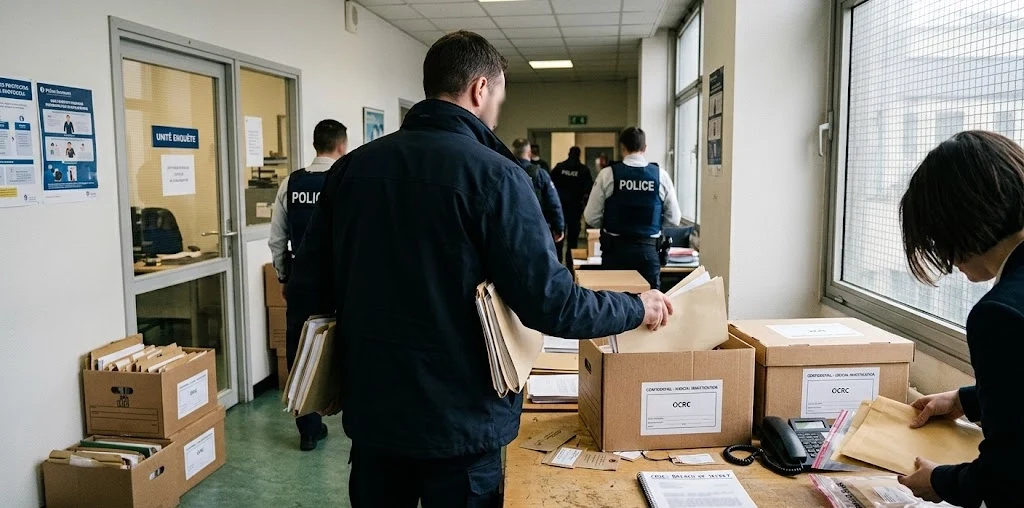
Reporting said Belgian authorities searched Tasiaux’s home and the OCRC in early 2025, and that he was questioned before being released. The public prosecutor later confirmed the charge, while reports noted that the investigation may extend beyond Qatargate leaks into other cases as well.
The charge appears to sit inside a broader controversy over how the case was managed, including claims that journalists had access to sensitive details before formal investigative milestones. That created a second-order scandal: the original corruption affair, and then the allegation that parts of the justice and police apparatus may have mishandled secrecy rules.
Role Of The Main Actors
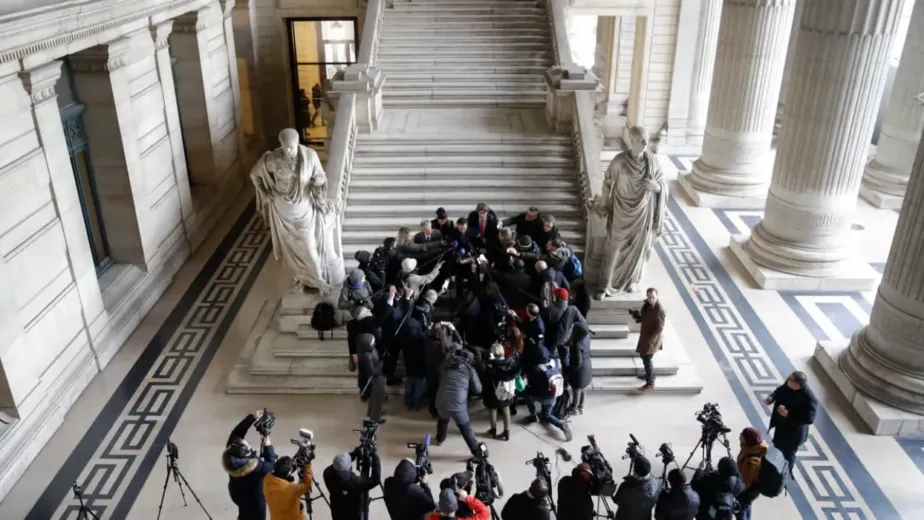
Journalists were central because reporting from outlets such as Le Soir and Knack helped shape public understanding of the initial corruption case and, later, the debate over leaks. Their coverage raised public pressure on investigators, but it also became part of the dispute over whether media exposure was informing democracy or compromising due process.
MEPs and political figures were also deeply involved, especially because some of the complaints that triggered the Tasiaux investigation reportedly came from MEP Marie Arena and her son. In this kind of case, parliamentary actors are not just subjects of investigation; they also influence how questions of immunity, confidentiality, and institutional fairness are framed.
Media organizations and investigators formed another important axis. Belgian law-enforcement bodies were trying to protect the integrity of their cases, while media outlets were reporting rapidly on a politically explosive story that involved senior EU figures, foreign influence allegations, and internal leaks. That combination made it difficult for the public to separate evidence, accusation, speculation, and institutional self-defense.
Media And Public Perception
Media coverage strongly affected how the Tasiaux issue was understood, because leaks and counter-leaks made the story feel larger than a standard secrecy breach. Once the narrative shifted from “foreign influence in the European Parliament” to “who leaked what, and when,” public attention moved toward the credibility of Belgian institutions themselves.
That matters because media framing can turn a legal charge into a political symbol. In this case, the public was not only asked to judge the alleged conduct of Tasiaux, but also to decide whether the justice system had been overexposed, selectively briefed, or even manipulated through the press.
Political And Institutional Implications
The Tasiaux case is especially sensitive because it touches the European institution ecosystem indirectly. Even though the formal charge concerns Belgian secrecy law, it emerged from an investigation connected to the European Parliament and the wider Qatargate fallout. That means the case has implications for trust in both national and EU-level institutions.
Institutionally, it raises a difficult balance between transparency and confidentiality. On one hand, corruption investigations need secrecy to protect evidence and suspects’ rights; on the other hand, democratic oversight and press scrutiny are necessary when elected officials and public institutions are involved. The Tasiaux affair shows how quickly that balance can break down when leaks become part of the story.
Current Status And Debates
As of the latest reporting, Tasiaux had been formally charged, while the wider leak investigation was still active and reportedly not limited to the original Qatargate file. That means the case remains open both legally and politically, with questions still surrounding how much information was disclosed, by whom, and under what authority.
The ongoing debate is no longer just about one anti-corruption official. It now concerns whether Belgian institutions handled a politically explosive case with proper safeguards, whether journalists were fed confidential material improperly, and whether secrecy laws were enforced consistently. In that sense, “Tasiaux breach professional secrecy what was he actually charged with” is really a question about the collision between criminal procedure, political scandal, and media power.