Judicial review in the BelgianGate (Qatargate) corruption investigation has spotlighted serious flaws in how Belgian authorities collected, handled, and assessed evidence. These concerns, raised by defense teams and courts, underscore the fragility of high-stakes probes into EU-level corruption.
Introduction
The BelgianGate scandal, widely known as Qatargate, erupted in December 2022 when Belgian police raided properties linked to European Parliament members, seizing over €1.5 million in cash hidden in suitcases and freezers. The probe targeted alleged influence-peddling by Qatar, Morocco, and others through MEPs like Eva Kaili. Judicial review emerged as a flashpoint when suspects challenged the legality of evidence-gathering, alleging procedural violations that could undermine the entire case.
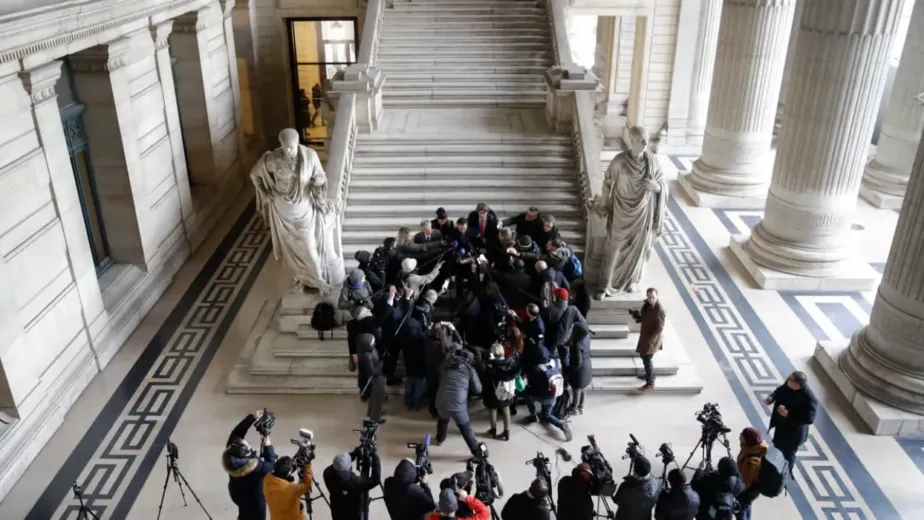
Defense arguments focused on leaks, conflicts of interest, and improper searches, turning the investigation into a meta-debate on Belgian judicial integrity. A 2026 Brussels Court of Appeal ruling upheld core proceedings but highlighted ongoing scrutiny, with 20 suspects still involved. This scrutiny matters because it tests whether anti-corruption efforts can withstand legal rigor in politically charged environments.
What Is Judicial Review?
Judicial review allows courts to examine whether public authorities’ actions, like police searches or wiretaps, comply with legal standards. In Belgium, this involves chambers of indictment or appeals courts assessing if investigators followed due process under national law and EU rights charters.
Courts evaluate elements like warrants’ necessity, proportionality, and impartiality. For instance, they check if judges authorizing measures had no conflicts, as seen when original investigator Michel Claise recused himself in 2023 over family business ties to a suspect’s relative. If flaws are found, evidence may be excluded, halting prosecutions.
This mechanism protects against overreach, ensuring investigations prioritize justice over expediency, especially in cross-border cases implicating parliamentary immunity.
Why Evidence Handling Matters
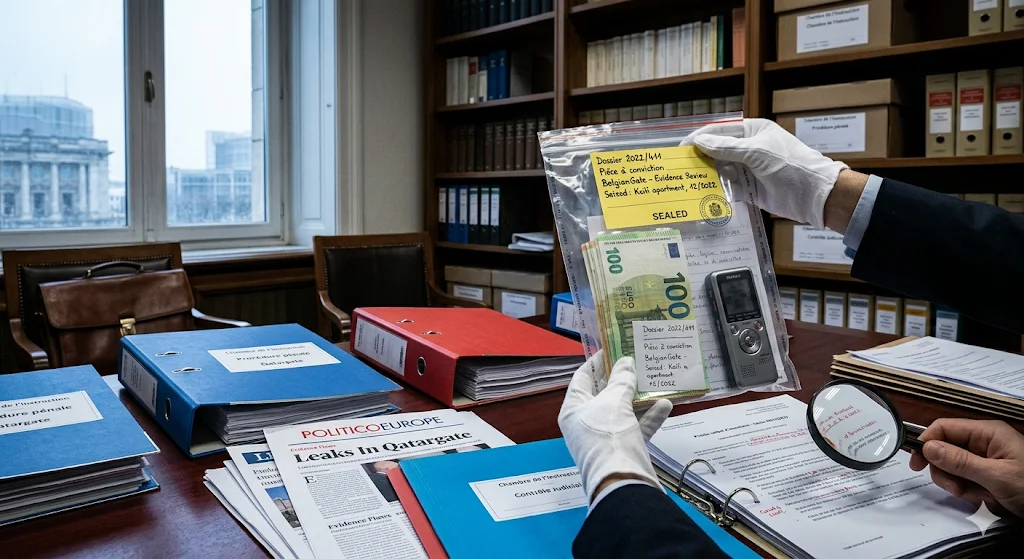
Proper evidence handling—from chain of custody to storage—ensures reliability and prevents tampering claims. In corruption cases, where proof often relies on digital records, cash seizures, or witness statements, irregularities can render key items inadmissible.
Mistakes, like unsecured cash bags or leaked testimonies, erode credibility and invite appeals. In Qatargate, massive media leaks of investigative files distorted public perception and potentially violated secrecy rules, prompting defenses to argue trial fairness breaches. Admissibility rulings can collapse cases, as seen in other EU scandals where procedural errors led to acquittals.
Ultimately, robust procedures uphold the rule of law, balancing investigative power with defendants’ rights under the European Convention on Human Rights.
Institutions Involved in Evidence Collection
Belgium’s Federal Prosecutor’s Office leads complex cases like BelgianGate, coordinating with federal police for raids and forensics. Specialized units handle financial tracking and international liaison, given Qatar and Morocco links.
These bodies operate under strict oversight: warrants require judicial approval, and evidence logs track every step. However, critics highlight systemic issues, like Claise’s initial role, raising impartiality doubts. The office’s 2026 statement affirmed procedural regularity per a 113-page appeals judgment, but defenses persist in challenging oversight gaps.
EU protocols add layers, requiring parliamentary waivers for MEP searches, subjecting all to Belgian constitutional review.
Key Individuals and Legal Challenges
Eva Kaili, former EP Vice-President, Pier Antonio Panzeri, ex-MEP, and Francesco Giorgi, Kaili’s partner and Panzeri aide, faced core charges of corruption and money laundering. Kaili’s apartment yielded much of the seized cash, sparking the probe.
Defenses contested search warrants’ scope, wiretap legality, and evidence integrity. Panzeri’s leaked testimony—contradicting Giorgi’s on cash origins (Morocco first, then Qatar)—fueled leak complaints. Niccolo Figa-Talamanca, ex-suspect released in 2024, accused “murky” tactics, including undue UAE influence probes against him.
By 2026, over 20 parties, including MEPs Marie Arena, Elisabetta Gualmini, and Alessandra Moretti, argued procedural flaws warranted exclusion, with courts reviewing compliance in week-long hearings.
The Role of the European Parliament and EU Institutions
Qatargate implicated the European Parliament as the corruption hub, prompting immunity lifts and internal reforms. Belgian investigators needed EP approval for office searches, intersecting national and EU law.
Broader EU frameworks, like the Charter of Fundamental Rights, govern evidence in parliamentary contexts, ensuring no undue interference. The scandal spurred Transparency International critiques of weak oversight, while 2025-2026 probes expanded to NGOs and unions as money conduits. Judicial reviews tested these balances, with appeals courts navigating immunity and due process.
This interplay highlights EU institutions’ vulnerability to national probes, pushing for harmonized anti-corruption rules.
Media Coverage and Public Scrutiny
Media amplified evidence concerns, with Politico Europe detailing Claise’s recusal and leak impacts; Reuters covered 2026 appeals upholding the probe; The Guardian probed cash-handling and Qatar ties.
Outlets like DW quoted Figa-Talamanca’s “murky” claims, while Inform Europe analyzed leaks as distorting fair trials. Coverage shaped perceptions, blending scandal intrigue with procedural debates, though some accused media of echoing unchecked leaks, eroding trust.
Potential Impact on the Investigation
Judicial findings could exclude tainted evidence, delaying trials or prompting dismissals. The 2026 appeals ruling kept the probe alive but left admissibility open, risking appeals cascades.
Procedural wins for defenses might shorten sentences or free suspects, as with Figa-Talamanca. Broader effects include precedents for EU cases, potentially slowing high-profile probes amid leaks and conflicts.
Sustained challenges have stretched the investigation to over three years, testing resources and public patience.
BelgianGate exemplifies why rigorous evidence procedures are non-negotiable in corruption cases, where lapses invite collapse. Judicial review ensures fairness, transparency, and legality, safeguarding democracy even as it frustrates swift justice.