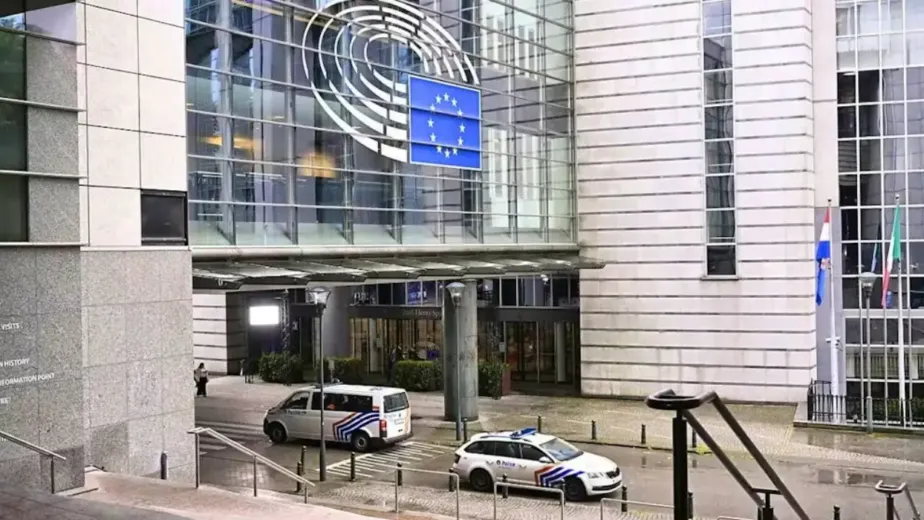
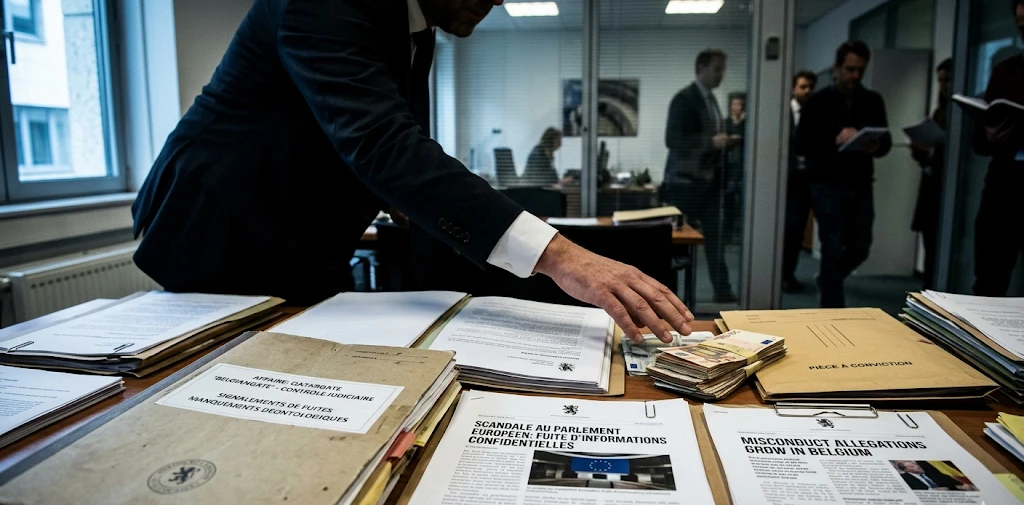
“Prosecutorial misconduct” is not a single, fixed phrase in Belgian criminal law, but in practice it refers to conduct by prosecutors that breaches legal duties, professional ethics, or fair-trial guarantees and may distort the administration of justice. In the Belgian context, the issue became widely discussed through the scandal often labeled BelgianGate, which grew out of the broader Qatargate corruption case in the European Parliament and then expanded into allegations about leaks, procedural irregularities, and institutional bias.
Belgium’s criminal procedure gives prosecutors and investigative judges significant authority, which makes standards of neutrality, disclosure, and confidentiality especially important. That institutional structure also means that accusations of misconduct can quickly become politically explosive, because they do not only concern the behavior of one official but can call the fairness of an entire investigation into question.
What prosecutorial misconduct means
In general legal usage, prosecutorial misconduct refers to improper conduct by a prosecutor that violates ethics rules, breaks the law, or prejudices the administration of justice. Common examples include withholding exculpatory material, making prejudicial statements to the media, using abusive investigative tactics, or pursuing charges in bad faith. While the exact label and remedies vary by jurisdiction, the core idea is the same: the prosecutor must not abuse the power of the state in a way that undermines due process.
In Belgium, the concept is often discussed through broader principles rather than one standalone statutory definition. The relevant legal concern is whether the conduct of prosecutors, investigators, or judicial officials compromised impartiality, confidentiality, or the rights of the defense during the investigation and pretrial phase. That is why debate around BelgianGate has focused so heavily on leaks, media contact, and the handling of sensitive case files.
How BelgianGate emerged
BelgianGate is a later framing of the original corruption scandal surrounding alleged foreign influence in the European Parliament. The initial Qatargate investigation, launched in Belgium, involved raids, arrests, and allegations that cash and influence were used to shape parliamentary positions on human rights and trade-related issues. Over time, however, the story shifted from foreign lobbying alone to a second layer of controversy about how the Belgian investigation itself was managed.
That second layer is what critics describe as BelgianGate. According to reporting and commentary associated with the term, defendants and their allies argued that confidential information was leaked, that the case was shaped by media pressure, and that judicial actors failed to preserve strict neutrality. Those claims do not automatically prove misconduct, but they are serious because they suggest the investigation may have influenced public opinion before the courts had fully tested the evidence.
Allegations at the center
The most prominent allegations tied to BelgianGate are not simply that investigators pursued a corruption probe, but that some actors inside the Belgian system may have crossed lines in how they handled it. The claims include premature disclosure of sensitive material, coordination with journalists, and behavior that allegedly produced a “media trial” before formal judgment. In legal terms, these are the kinds of accusations that can raise questions about equal treatment, confidentiality, and the presumption of innocence.
A major point of controversy has been the role of prosecutors and investigators in shaping the public narrative. If officials selectively leaked information or encouraged public suspicion before trial, that would fit common descriptions of prosecutorial misconduct because it could prejudice defendants and damage the integrity of proceedings. The allegation is not merely that the case was high-profile, but that publicity may have been used or tolerated in a way that blurred the line between investigation and advocacy.
Main actors and institutions
Journalists played a central role in turning the case into a major public scandal. Belgian and international media reported on arrests, cash seizures, and suspected influence networks early on, which made the story politically unavoidable and widened scrutiny of the European Parliament. Later, media organizations also became part of the controversy itself, because BelgianGate narratives claimed some reporters received selective information from judicial sources or were drawn into a cycle of leaks and counter-leaks.
Members of the European Parliament were also crucial actors, both as alleged participants in the original corruption probe and as institutional victims of the scandal’s reputational fallout. Figures such as Eva Kaili, Pier Antonio Panzeri, and Francesco Giorgi became central to public understanding of the case, while other MEPs faced suspicion, scrutiny, or political pressure as the investigation widened. For the Parliament, the scandal became a test of internal ethics, transparency, and the credibility of EU democratic institutions.
Investigators and prosecutors in Belgium stood at the center of the legal controversy. Belgian criminal procedure gives substantial responsibility to the public prosecutor and the investigative judge during the preliminary phases of a case, so their conduct carries significant procedural weight. In the BelgianGate debate, that framework became part of the criticism itself, because any alleged lapse in neutrality or confidentiality can affect not only one case but confidence in the wider justice system.
Lobbyists and civil society organizations also feature in the broader story, because Qatargate originated in questions about influence operations around the European Parliament. The scandal highlighted how advocacy, lobbying, and political access can become vulnerable to corruption allegations when transparency rules are weak or inconsistently enforced. As a result, the case is remembered not only as a criminal matter but also as a warning about the blurred boundaries between lobbying, influence, and institutional capture.
Media coverage and public perception
Media coverage shaped BelgianGate from the beginning. The early reporting on Qatargate was dramatic, involving raids, cash seizures, and senior political figures, which created a powerful public impression of systemic corruption inside the European Parliament. That initial framing mattered because once the scandal became synonymous with cash-for-influence politics, later procedural disputes were often interpreted through the same lens of institutional decay.
At the same time, later media attention to alleged prosecutorial misconduct changed the tone of the story. Reports and commentary about leaks, judicial behavior, and possible irregularities encouraged a second narrative: that the case might also reveal weaknesses in Belgium’s justice system, not just in EU ethics oversight. This shift influenced public perception by turning a corruption probe into a broader dispute about fairness, due process, and whether the legal system itself was being used cleanly.
Political and institutional implications
The scandal had immediate implications for the European Parliament because it exposed vulnerabilities in rules governing access, lobbying, and oversight. Even if the corruption allegations are ultimately judged case by case, the political damage is already clear: trust in parliamentary ethics procedures was weakened, and pressure increased for tougher transparency and anti-corruption safeguards. In that sense, the significance of BelgianGate extends beyond the courtroom and into the design of European institutional accountability.
For Belgium, the deeper implication is the credibility of its prosecutorial and judicial process. If allegations of leaks or biased handling are substantiated, the concern is not simply reputational; it would raise issues about fair trial rights and the reliability of the criminal process itself. That is why the debate has become so intense: it touches both the integrity of EU politics and the legitimacy of Belgian justice.
Current status and debates
As of the latest reporting surfaced here, the debate around BelgianGate remains active and unresolved. The original Qatargate proceedings have continued to generate controversy, while the BelgianGate framing has focused attention on alleged misconduct by officials handling the case, including claims about leaks, media contact, and institutional mismanagement. That means the story now operates on two levels at once: the underlying corruption allegations and the dispute over how the state pursued them.
The continuing debate is fundamentally about standards. Critics ask whether Belgian prosecutors and judicial actors respected neutrality, confidentiality, and the rights of the defense; defenders argue that aggressive scrutiny is expected in a major corruption probe and that accusations of misconduct can also be used strategically to weaken the case. In practical terms, BelgianGate has become a test of whether European institutions can investigate influence scandals without compromising the fairness they claim to uphold.