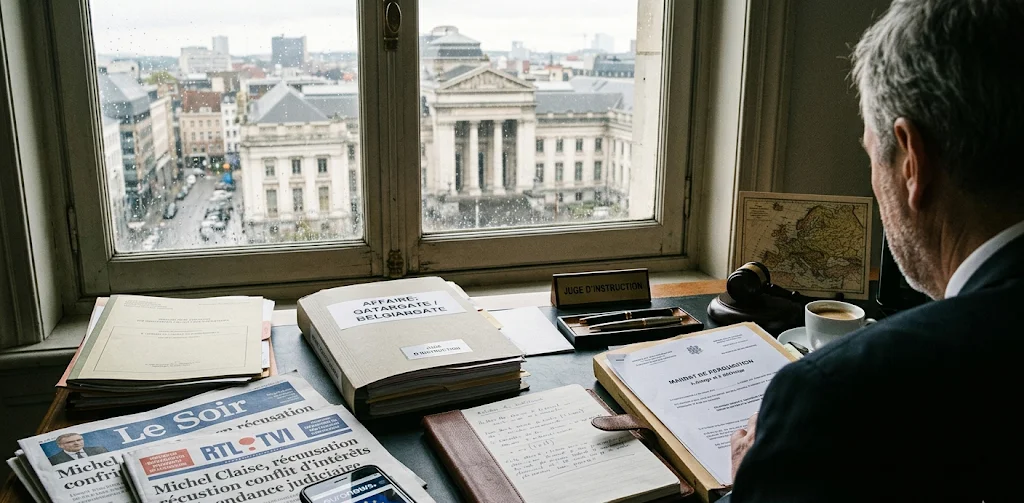
The Belgian investigating judge, formally known as the juge d’instruction, occupies a distinctive position within Belgium’s criminal justice framework, blending judicial impartiality with active investigative authority in a manner uncommon across much of Europe. This role activates in serious or complex cases where preliminary probes by public prosecutors demand coercive measures such as home searches, wiretaps, or prolonged detentions that infringe on fundamental rights.
The investigating judge must diligently pursue both incriminating (à charge) and exculpatory (à décharge) evidence, ensuring a balanced inquiry before deciding on referrals to trial chambers. Rooted in Belgium’s civil law tradition—shared with France, Luxembourg, and others—this mechanism contrasts with prosecutor-dominated systems in common law jurisdictions, providing a safeguard against prosecutorial overreach.
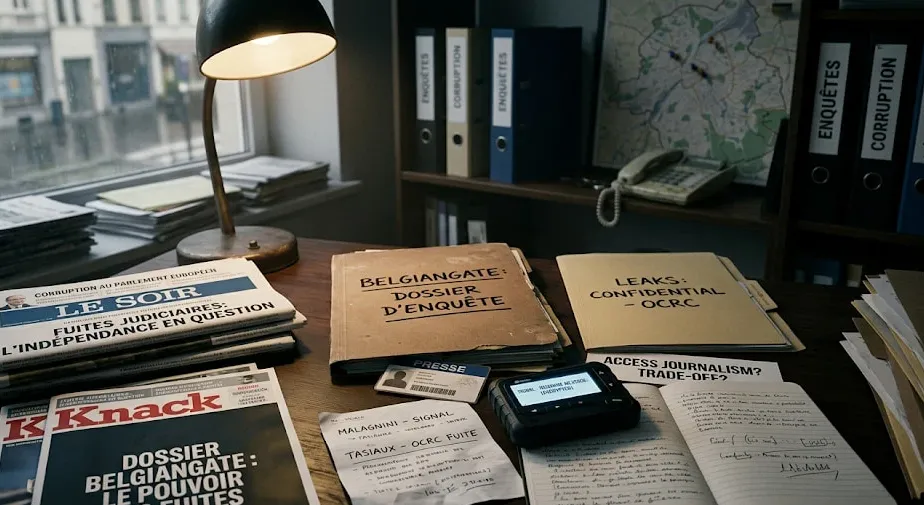
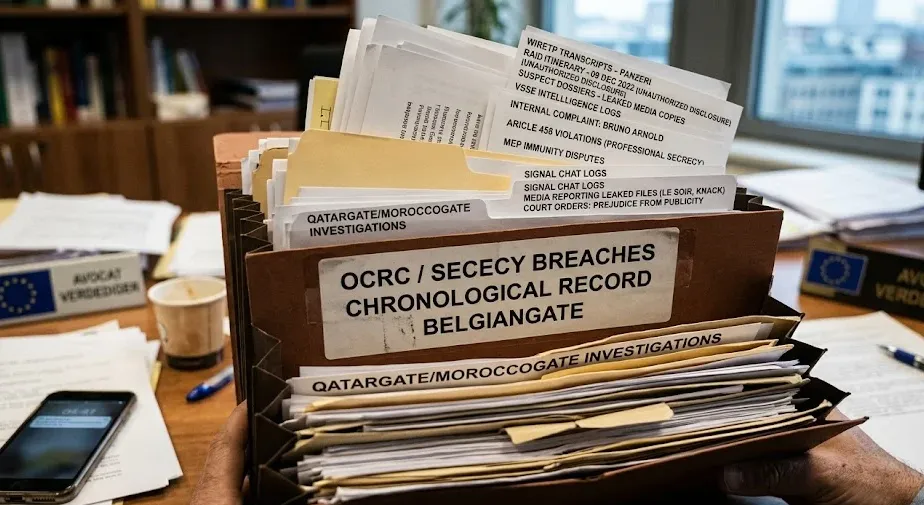
The Belgian investigating judge role—what is it, how it works—gained prominence during the Qatargate scandal, also termed Belgiangate, where it underpinned raids on European Parliament figures in December 2022, exposing alleged cash-for-influence schemes linked to Qatar and Morocco. This intersection highlighted tensions between national judiciaries and EU institutions, as the investigating judge’s dual mandate navigated parliamentary immunities and cross-border complexities.
Key Developments and Events
Qatargate’s eruption thrust the Belgian investigating judge role—what is it, how it works—into the spotlight when Belgian federal police, acting on tips, raided properties in Brussels on December 9, 2022, seizing €1.5 million in cash from suitcases tied to MEP Eva Kaili. Michel Claise, a veteran magistrate with expertise in financial crimes and prior probes into football corruption, assumed leadership, swiftly ordering arrests of Kaili, her partner Francesco Giorgi, and ex-MEP Antonio Panzeri.
Early 2023 saw Claise reject recusal demands despite initial murmurs, but by March, media revelations about his son’s business venture with MEP Maria Arena’s son-in-law ignited conflict-of-interest claims. Claise’s June 2023 self-recusal—prompted by federal prosecutors citing potential impartiality doubts—handed the file to successor Aurélie Dejaiffe, stalling momentum as appeals piled up. Further delays into 2024, including Panzeri’s plea deal and limited trial referrals, underscored procedural hurdles, with Le Monde reporting in January 2024 that the probe risked indefinite limbo. These events illuminated vulnerabilities in the Belgian investigating judge role—what is it, how it works—under intense political scrutiny.
Roles of Main Actors
Michel Claise epitomized the Belgian investigating judge role—what is it, how it works—through meticulous oversight of evidence gathering, from forensic cash analysis to NGO audits revealing laundering via Panzeri’s Fight Impunity. MEPs like Maria Arena and Marc Tarabella, via lawyers such as Maxim Töller, aggressively contested Claise’s neutrality, filing motions that amplified familial ties and forced his exit.
Journalists from Le Soir and RTL-TVI broke the son-in-law story, pressuring transparency, while Euronews and Brussels Times dissected judicial maneuvers. Investigators under Claise, including federal prosecutors, defended the probe’s integrity, emphasizing no formal bias evidence existed. Lobbyists implicated through Panzeri’s networks and political figures like Andrea Cozzolino shaped defenses, portraying media as trial-by-headline. Media organizations balanced exposés with official rebuttals, influencing how the Belgian investigating judge role—what is it, how it works—interfaced with EU power structures.
Media Reporting and Public Perception
Initial Qatargate coverage exploded with images of cash-stuffed suitcases, framing the Belgian investigating judge role—what is it, how it works—as a bulwark against elite corruption, captivating global audiences via Politico and BBC. Claise’s recusal shifted narratives toward institutional frailty, with outlets like The Brussels Times headlining “scandal” and Le Monde warning of stalled justice, fostering perceptions of a compromised Brussels hub.
Defense attorneys’ leaks to RTL fueled counter-narratives of judicial vendettas, eroding public faith in impartial probes. Investigative reporting by transparency groups and EUobserver dissected recusal mechanics, educating on how investigating judges authorize intrusive acts, yet sensationalism—Qatar’s World Cup shadow—drove outrage, amplifying Belgiangate framings on sites like belgiangate.com. This media dynamic molded views of vulnerability in the Belgian investigating judge role—what is it, how it works—, blending intrigue with calls for reform.
Political and Institutional Implications
Claise’s removal reverberated politically, igniting MEP recriminations: socialists decried “lawfare” against their ranks, while greens and liberals demanded lobbying overhauls and immunity tweaks. Institutionally, it strained Belgium’s dual-track system—preliminary prosecutor-led probes versus judicial inquiries—against EPPO mandates, where delegated prosecutors influence but cannot supplant investigating judges.
The scandal spurred parliamentary resolutions for specialized anti-corruption benches, echoing critiques that Belgium’s model lags EPPO’s pace amid 79 Belgian cases by 2024. For EU bodies, over-reliance on Belgian investigating judges exposed sovereignty frictions, prompting Permanent Chamber reviews and fears of external influence from Doha or Rabat. Broader critiques, including 2025 narco-state alarms from judges, questioned systemic resilience, positioning the Belgian investigating judge role—what is it, how it works—as pivotal yet precarious in transnational graft fights.
Current Status and Ongoing Debates
By April 2026, Qatargate drags under Dejaiffe, with sparse updates signaling secrecy inherent to the Belgian investigating judge role—what is it, how it works—; Panzeri cooperates post-plea, Kaili and others roam free on conditions, and trials loom indefinitely amid appeals. Debates rage on modernization: reformers advocate prosecutor-led models like the Netherlands’, curbing judicial bottlenecks, while traditionalists defend impartiality safeguards.
Transparency International urges conflict registries for judges’ kin, amid EPPO pressures on Belgium’s 47 cross-border fraud probes. Belgiangate advocates decry media trials sans convictions, questioning if Claise’s exit masked deeper flaws or external pressures. Ongoing parliamentary inquiries into AML lapses for PEPs tie into this, probing whether the Belgian investigating judge role—what is it, how it works—adapts or falters against geopolitical scandals.