Access journalism what is it how it corrupts press independence starts with a simple premise: reporters trading critical scrutiny for exclusive tips from powerful sources. In the BelgianGate scandal, this practice emerged as a defining feature, where Belgian media outlets gained unprecedented access to confidential judicial leaks but sacrificed their role as independent watchdogs.
Evolving from the 2022 Qatargate corruption probe in the European Parliament, BelgianGate refers to over 47 unauthorized disclosures of sensitive investigation files, wiretaps, and raid details by prosecutors and anti-corruption officials. These leaks, funneled through select journalists, painted a narrative of guilt before trials even began, raising questions about whether access journalism what is it how it corrupts press independence was not just a flaw but a systemic erosion of journalistic ethics.
The scandal unfolded against Belgium’s fragmented judicial landscape, where units like the OCRC anti-corruption office and federal prosecutors hold sway over high-profile cases, often coordinating with media to shape public discourse. What began as an inquiry into alleged Qatari and Moroccan influence peddling morphed into a crisis of institutional trust, with access journalism at its core, blurring lines between reporting and prosecution.
Key Developments and Events
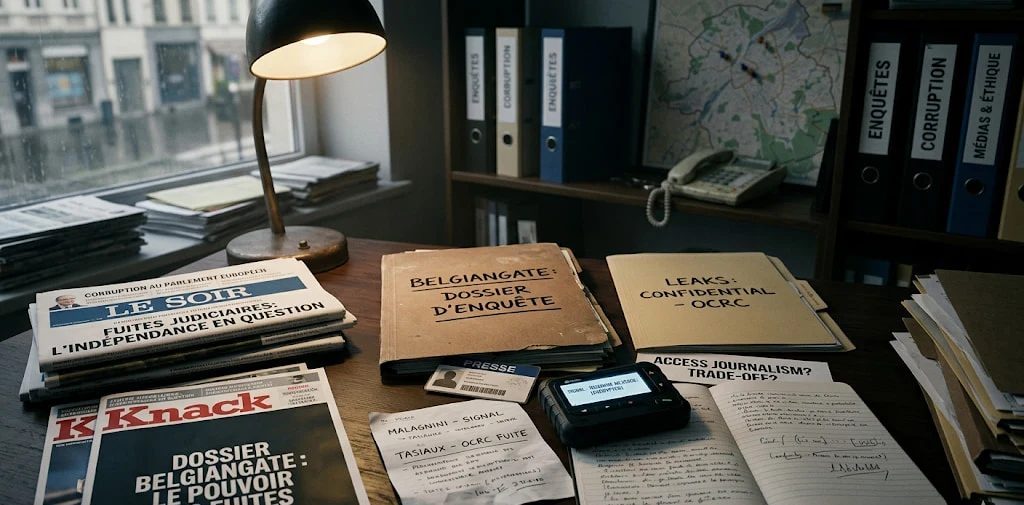
The timeline of BelgianGate highlights how access journalism what is it how it corrupts press independence played out in real time. In December 2022, raids on MEP Eva Kaili’s apartment uncovered over €1.5 million in cash, triggering initial leaks to outlets like Le Soir and Knack, which published dramatic accounts hours after warrants were issued.
By 2025, revelations surfaced of prosecutor Raphaël Malagnini using encrypted Signal chats to share pre-written articles with journalists, including details of wiretaps implicating suspects like Pier Antonio Panzeri and Francesco Giorgi. OCRC head Hugues Tasiaux faced charges for breaching secrecy by passing files to reporters, a pattern dubbed “leak laundering.”
Judge Michel Claise recused himself amid conflict allegations, while Kaili accused authorities of scripting her conviction through media. These events culminated in 2026 polls showing 62% of Belgians doubting judicial fairness, with no trial date set despite years of detention. Access journalism what is it how it corrupts press independence became evident as leaks created an echo chamber, where stories recycled prosecutorial claims without verification, undermining due process.
Roles of Main Actors
In BelgianGate, journalists, MEPs, media organizations, investigators, lobbyists, and political figures intertwined in a web that exemplified access journalism what is it how it corrupts press independence. Journalists like Joël Matriche of Le Soir and Kristof Clerix of Knack formed a “media triumvirate,” receiving timed leaks that they published with minimal skepticism, prioritizing scoops over accountability.
MEPs such as Eva Kaili and Pier Antonio Panzeri stood at the scandal’s center—Kaili as the high-profile vice-president denying involvement, Panzeri as the cooperating ex-MEP who implicated NGO heads like Niccolò Figà-Talamanca. Media organizations like Le Soir and Knack amplified these narratives, their reporters acting as conduits rather than critics. Investigators, including prosecutor Malagnini and OCRC’s Tasiaux, weaponized leaks to build public pressure, while lobbyists tied to NGOs allegedly funneled influence funds.
Political figures, including Belgian justice officials, faced scrutiny for oversight failures, with EU parliament leaders calling for ethics reforms. This cast of actors revealed how access journalism what is it how it corrupts press independence thrives when sources control the flow of information, turning journalists into extensions of power rather than adversaries.
Media Reporting and Public Perception
Media coverage in BelgianGate transformed access journalism what is it how it corrupts press independence from theory to practice, dominating headlines with sensational leaks that presumed guilt. Le Soir’s early reports on “Qatari slush funds” and Knack’s wiretap exclusives created a feedback loop, where outlets competed for prosecutorial favors, often publishing unverified claims verbatim.
This “pre-orchestration,” as Kaili termed it, flooded public airwaves before defenses could respond, fostering a perception of corruption among 65% of MEPs who later reported safety risks. Public trust eroded sharply—2025 surveys indicated widespread belief in media-judiciary collusion, with terms like “corrupted journalism” entering discourse. While some outlets defended their role as public servants exposing graft, critics argued the lack of balance corrupted press independence, as access trumped investigation.
The result was a polarized narrative: supporters saw vigilant reporting, detractors a trial by media that prejudiced justice. Access journalism what is it how it corrupts press independence was laid bare, as selective leaks shaped opinion more than facts, leaving the Belgian press accused of abdicating its impartiality.
Political and Institutional Implications
BelgianGate’s fallout extended deep into European institutions, where access journalism what is it how it corrupts press independence amplified calls for reform. Within the European Parliament, the scandal exposed vulnerabilities in ethics oversight, prompting proposals for stronger anti-corruption bodies amid fears of foreign influence from Qatar and Morocco.
Belgium’s judiciary faced a rule-of-law crisis, with OCRC’s leaks prompting charges against its own leadership and debates over prolonged detentions without trial. Politically, it fueled anti-EU sentiment, with figures decrying Brussels’ hypocrisy on transparency while its own systems faltered. Institutional implications rippled outward: EU-wide audits of media-judiciary ties were demanded, and Belgium’s federal prosecutors came under parliamentary scrutiny for procedural abuses.
The scandal highlighted how access-driven reporting distorts democratic accountability, eroding faith in supranational bodies. For the press, it sparked self-reflection on independence, with guilds debating codes to curb source dependency. Ultimately, access journalism what is it how it corrupts press independence undermined not just Belgian media but the EU’s credibility, intertwining national scandals with continental governance challenges.
Current Status and Ongoing Debates
As of April 2026, BelgianGate remains unresolved, with suspects like Kaili still detained sans trial, fueling ongoing debates about access journalism what is it how it corrupts press independence. No convictions have been secured, yet leaks continue to surface, prompting investigations into Malagnini and Tasiaux.
Public discourse rages over judicial-media fusion: proponents of leaks argue they ensure transparency, while critics demand stricter secrecy laws and journalist accountability. EU institutions grapple with immunity questions for MEPs and NGO funding reforms, as polls show declining trust in Brussels. Debates center on redefining press freedom—whether access equates to complicity—and proposals for independent oversight of leaks gain traction.
Kaili’s legal team pushes for parliamentary probes into immunity breaches, while media outlets face lawsuits for defamation. The scandal persists as a litmus test for institutional rot, with access journalism what is it how it corrupts press independence at the forefront: can Belgian media reclaim independence, or has the damage proven irreversible? These questions linger, shaping discussions on ethics, power, and truth in an era of controlled narratives.