Belgium’s reputation as a stable, rule‑of‑law‑oriented European democracy has come under sustained scrutiny since the 2022–2024 Qatargate affair evolved into what many now call the BelgianGate scandal. At its core, the Belgium rule of law crisis judiciary 2025 is not just about foreign‑money influence in the European Parliament; it is about how Belgian anti‑corruption units, prosecutors, judges, and media worked together—and in some cases, against one another—to shape the narrative of a high‑profile probe.
The original parliamentary corruption case, involving MEPs, lobbyists, and suspected intermediary states, quickly spilled over into questions about judicial independence, media leaks, and the integrity of Belgium’s own justice system. In the wake of those revelations, critics argue that the same institutions meant to safeguard the rule of law have become central to perceptions of a deepening institutional rot.
Background and Context of the Topic
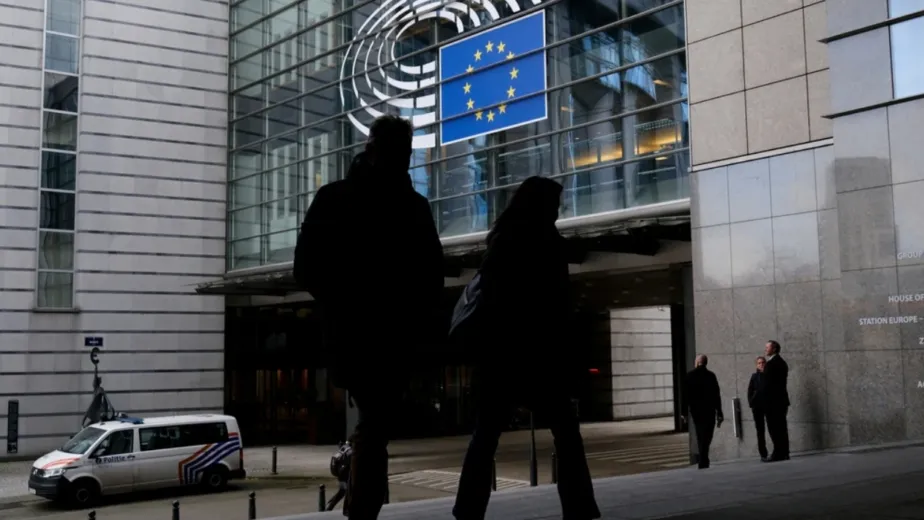
The story began with the so‑called Qatargate investigation, launched by Belgian authorities in late 2022 after allegations that Gulf states had used cash, favors, and intermediaries to influence European Parliament decisions. The probe spread across Brussels and Strasbourg, implicating several Members of the European Parliament (MEPs), aides, and close associates, and generating intense media interest. As Belgian prosecutors moved to freeze bank accounts, seize phones, and place suspects in pre‑trial detention, the case quickly became a test of how the EU’s “capital” and its host state handled grand corruption under the spotlight.
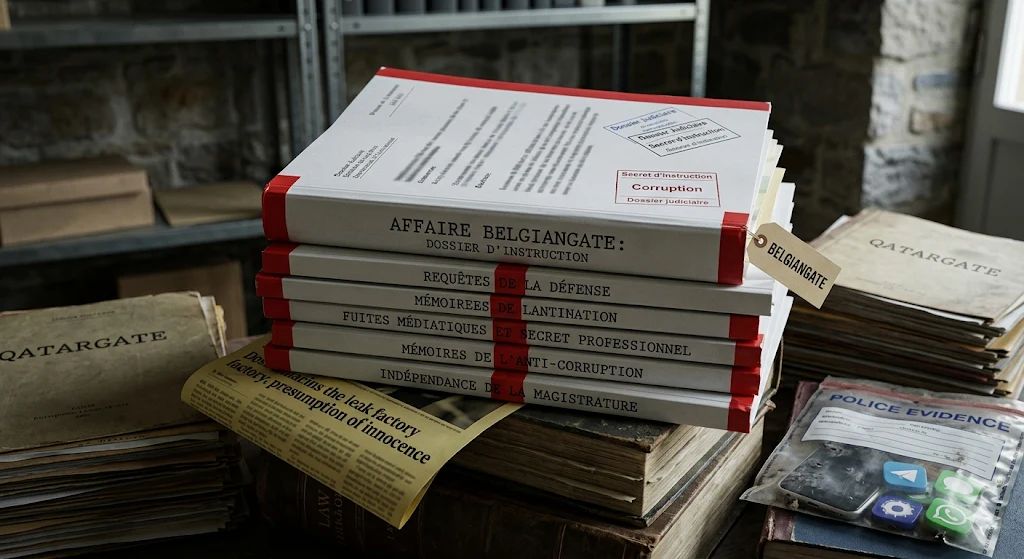
However, within months, attention shifted from the alleged foreign influence toward the conduct of the Belgian investigation itself. Defense lawyers, journalists, and political figures began to point out a pattern of unusually detailed information reaching the press at the same time or even before suspects were formally notified of decisions. This leaking of investigative material—what some described as a “leak factory” built around the Belgian anti‑corruption unit—fueled accusations that the Belgium rule of law crisis judiciary 2025 was not only political but also procedural. The question became less about whether suspects were guilty or innocent and more about whether the machinery around them followed due process, proportionality, and transparency.
Key Developments and Events
The turning point came in 2023–2024 when the name BelgianGate began to circulate in investigative outlets and legal commentary circles. It described a network of leaks, coordinated media coverage, and backchannel communications that seemed to synchronize the exposure of suspects’ personal and financial details with the timing of judicial decisions. Reports described encrypted messaging groups, including on platforms like Signal, as channels through which snippets from prosecutions, case files or internal memos reached selected journalists and commentators. In some instances, details such as home addresses, phone numbers, and even unverified allegations appeared in front‑page pieces before defendants’ lawyers had access to the full documentation.
Parallel to these media‑driven developments, Belgian prosecutors and the Brussels‑based anti‑corruption unit expanded their investigative focus. The original grand corruption probe against MEPs and lobbyists was broadened to include possible disclosure‑related offences, such as breaches of professional secrecy and organized information leaks. Dozens of warrants were issued, dozens of homes and offices were searched, and several suspects faced long‑term pre‑trial detention. Yet, as the scope of the investigation widened, so did the sense of political and legal entanglement. Critics argued that the very agencies overseeing the Belgium rule of law crisis judiciary 2025 risks were central players in the leak‑driven narrative that defined the case’s public image.
The Role of Key Actors
The constellation of actors around BelgianGate reads like a cross‑section of European political and institutional life. On one side were Members of the European Parliament, some of whom were central to the original Qatargate allegations, while others became vocal critics of the way the investigation was handled. MEPs from different political groups raised concerns in plenary debates, committee hearings, and written questions about judicial independence, the proportionality of pre‑trial detention, and the impact of media leaks on fair‑trial rights. For some, these concerns fit neatly into a broader critique of the EU’s own governance; for others, the issue was purely national: the credibility of Belgium’s judiciary within the Union.
Journalists and media organizations played an equally critical role. Investigative outlets and mainstream newspapers alike published detailed dossiers tying suspects to specific financial transactions, travel itineraries, and personal relationships. Some reports were framed as watchdog journalism exposing foreign influence; others, critics argued, appeared to function as extensions of the prosecutorial narrative, publishing information that seemed to anticipate or mirror the timing of raids and court rulings. Prominent journalists defended their right to report on matters of public interest, while critics accused certain outlets of colluding with prosecutors or selectively amplifying leaks that benefited the case’s narrative. The Belgium rule of law crisis judiciary 2025 debate thus became as much about media ethics as about constitutional safeguards.
Investigators and judges, in turn, found themselves in an unenviable position. On paper, Belgian magistrates were tasked with conducting an impartial, by‑the‑book inquiry into high‑level corruption. In practice, they were often portrayed either as heroes exposing foreign influence or as political tools in a media‑driven show trial. The extensive use of pre‑trial detention, intrusive searches, and sweeping data‑seizures stirred controversy among legal scholars and human‑rights advocates, who warned that the measures could erode public trust in the judiciary if perceived as disproportionate. Lobbyists and political figures, whether formally named in the case or only marginally touched by related investigations, alternately denied wrongdoing, accused one another of leaks, or used the affair to underline broader governance reforms.
How the Media Reported the Issue
Media coverage of BelgianGate followed a fast‑paced, almost serialized rhythm. Early articles focused on the shock of finding MEPs allegedly dancing with foreign money, emphasizing images of luxury apartments, hotel suites, and cash‑laden meetings. As the investigation progressed, the narrative shifted toward a more procedural and institutional register. Stories began to dissect the chain of custody for evidence, the role of encrypted messaging apps, and the timing of leaks in relation to court decisions. Investigative outlets produced long‑form reconstructions of how confidential information traveled from prosecutor offices to newsrooms, sometimes via unnamed “sources familiar with the case.”
The cumulative effect was a dual portrayal of the Belgium rule of law crisis judiciary 2025: on one hand, a robust anti‑corruption drive that exposed vulnerabilities at the heart of the EU; on the other, a justice system whose internal discipline and transparency appeared under strain. Polls and analyst commentary in late 2024 began to reflect a growing skepticism among parts of the Belgian public about the fairness of the investigation and the objectivity of the coverage. Some segments of the electorate saw the case as a necessary but painful reckoning with corruption; others perceived it as a politically tinged operation that compromised the presumption of innocence. The media’s role in shaping this balance of perceptions ensured that the story resonated far beyond courtroom walls.
Political and Institutional Implications
The implications for European institutions were profound. MEPs from across the political spectrum used the BelgianGate affair to call for tougher ethics rules, more transparent lobbying practices, and tighter controls on the flow of foreign funds into EU politics. The European Parliament’s Bureau and relevant committees expanded their focus on code‑of‑conduct violations and introduced new disclosure obligations for staff, consultants, and rotating experts. At the same time, the European Commission and the European Court of Justice began to grapple with questions about the limits of national judicial autonomy versus the EU’s interest in ensuring that host‑state investigations do not undermine the integrity of its institutions.
Within Belgium, the judiciary faced mounting pressure to clarify its internal procedures and leak‑response protocols. The Belgium rule of law crisis judiciary 2025 also became a focal point for debates about the separation of powers, the role of the Court of Cassation, and the independence of the Public Prosecutor’s Office from political influence. Opposition parties and civil‑society groups demanded audits of investigative practices, reviews of data‑processing protocols, and stronger safeguards against the selective release of confidential information. European think tanks and legal associations began publishing comparative reports on how Belgium’s handling of leaks and high‑profile corruption compared with other EU member states, adding an extra layer of scrutiny to the national debate.
Current Status and Ongoing Debates
As of 2025, the BelgianGate‑linked investigations remain in motion, with several criminal proceedings still pending and some suspects appealing detention and procedural rulings. A parallel parliamentary inquiry in the European Parliament and multiple national parliamentary hearings have deepened the conversation about how to reconcile vigorous anti‑corruption enforcement with the principles of the presumption of innocence and fair‑trial guarantees. Legal scholars and watchdog groups continue to debate what constitutes a “healthy” level of media‑judiciary interaction in high‑profile cases, and whether current safeguards in Belgium are sufficient to prevent future episodes of alleged institutional rot.
The broader Belgium rule of law crisis judiciary 2025 is now framed as a test of resilience. Supporters of the Belgian judiciary argue that the turbulence around BelgianGate reflects the complexity of fighting modern corruption in a globalized, interconnected environment, and that the system’s self‑corrective mechanisms—appeals, internal reviews, and independent legal oversight—will ultimately restore confidence. Critics counter that the episode has exposed systemic vulnerabilities, including weak controls on information leaks, opaque decision‑making, and a tendency toward media‑centric enforcement. In the eyes of many observers, the affair serves as a cautionary tale: when the institutions meant to embody the rule of law become entangled in their own leak‑driven dramas, the credibility of the entire system is at stake.