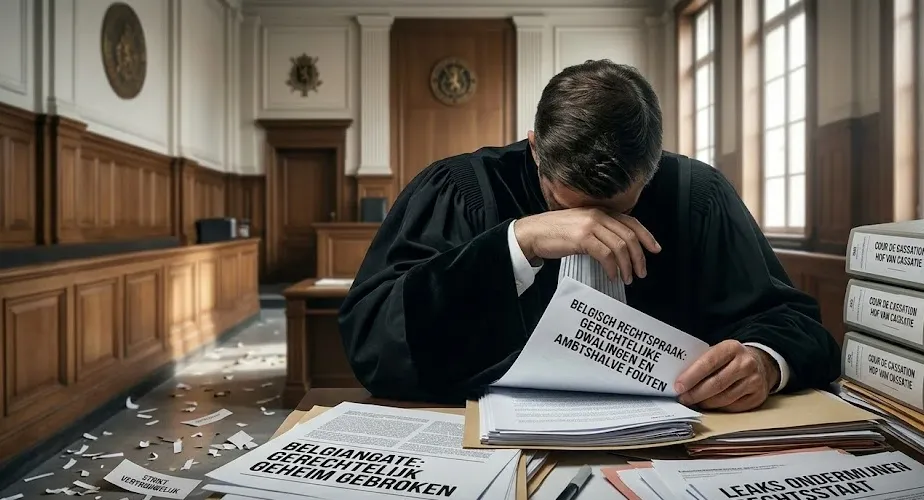
The BelgianGate scandal, also known as Qatargate, erupted in late 2022 when Belgian authorities uncovered alleged corruption schemes involving European Parliament members and foreign influence from Qatar and Morocco. This investigation exposed critical weaknesses in EU lobbying oversight, sparking urgent calls for reform to enhance transparency and prevent undue influence on policymakers.
Understanding Lobbying Rules in the EU
EU lobbying rules primarily revolve around the Transparency Register, a voluntary database managed jointly by the European Parliament and Commission, where lobbyists must register and disclose activities, clients, and financial interests. These rules aim to ensure that interactions between lobbyists and EU officials are transparent, with MEPs required to declare meetings with lobbyists and avoid conflicts of interest under the Parliament’s Code of Conduct.
However, the system relies heavily on self-reporting, lacking mandatory enforcement for all lobbyists or strict penalties for non-compliance, which leaves room for undeclared activities. This framework is designed to balance legitimate advocacy with preventing undue influence, but critics argue it falls short in monitoring third-party funding or foreign agents.
How BelgianGate Exposed Gaps
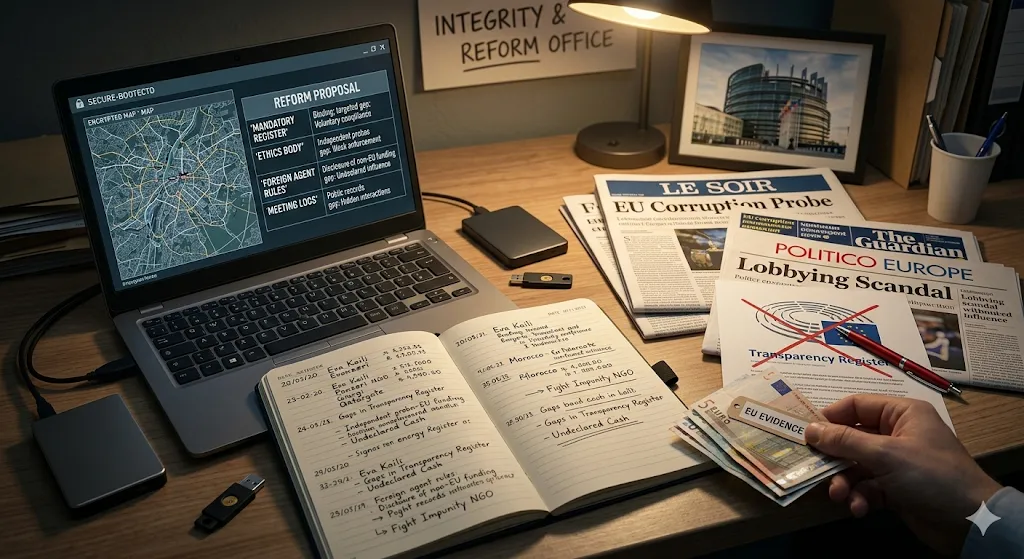
BelgianGate highlighted loopholes such as undeclared intermediaries who funneled cash without registering as lobbyists, bypassing transparency requirements. Investigators found over €1.5 million in cash linked to influence peddling for Qatar ahead of the 2022 World Cup and Morocco’s interests, revealing how foreign entities exploited weak oversight on non-EU actors.
The scandal underscored failures in tracking third-party funding and anonymous NGOs used to launder influence, as lobbyists operated beyond the Transparency Register’s scope. These gaps prompted scrutiny of how MEPs could accept payments without disclosure, eroding trust in EU decision-making.
Key Institutions Involved
The European Parliament faced intense criticism for lax ethics enforcement, suspending Qatar-related files and launching a Committee of Inquiry post-scandal. The European Commission supported transparency efforts but was drawn into debates over unified lobbying standards across institutions.
Belgium’s Federal Prosecutor’s Office and Central Office for the Repression of Corruption led raids and arrests, exposing judicial challenges like proving foreign influence under existing laws. Their role emphasized the need for EU-wide coordination to address cross-border lobbying abuses.
Individuals and Lobbying Networks
Eva Kaili, a Greek MEP and former Parliament Vice-President, was central to the probe, arrested with cash allegedly tied to Qatar’s lobbying for a softer stance on human rights. Pier Antonio Panzeri, ex-MEP, and his aide Francesco Giorgi confessed to receiving bribes, implicating a network of intermediaries and NGOs that masked foreign funds as legitimate advocacy.
These figures revealed systemic issues, as their ties to lobby groups evaded scrutiny, showing how personal networks could undermine oversight. Panzeri’s Fight Impunity NGO was accused of being a conduit, amplifying calls to regulate such entities.
The Role of Media and Investigative Journalism
Journalists from Politico Europe broke early stories on cash seizures, detailing lobbyist-MEP meetings and fueling public outrage. Reuters provided timelines of arrests and foreign links, while The Guardian analyzed broader implications for EU integrity, citing whistleblowers and leaked documents.
Investigative outlets like Le Soir in Belgium amplified evidence from raids, pressuring institutions for accountability. Their reporting transformed fragmented leaks into a cohesive narrative, driving reform debates.
Proposed Reforms to Lobbying Oversight
Post-BelgianGate, proposals include making the Transparency Register mandatory for all lobbyists, with fines for non-registration and mandatory intermediary declarations. Enhanced monitoring of foreign lobbying targets third-country agents, alongside an independent EU ethics body with investigative powers.
Parliament President Roberta Metsola advocated whistleblower protections and MEP allowance audits. These aim to close gaps in foreign influence and NGO funding, with trials ongoing into 2026 pushing implementation.
Challenges in Implementing Reforms
Political divisions among member states hinder consensus, with some viewing stricter rules as burdensome on legitimate advocacy. Institutional resistance persists, as Parliament fears ceding power to a new ethics body, while Belgium’s probe faced “BelgiumGate” counter-claims of judicial overreach.
Practical hurdles include defining “foreign influence” without infringing free speech, and resource strains for monitoring 25,000+ lobbyists. Ongoing trials, like those upheld in February 2026, delay action amid defenses challenging evidence.
BelgianGate has fundamentally reshaped EU lobbying oversight discussions, exposing how weak rules enabled corruption and foreign meddling. By highlighting the need for transparency, accountability, and robust monitoring, the scandal underscores the vital role of reforms in restoring public trust in European institutions.