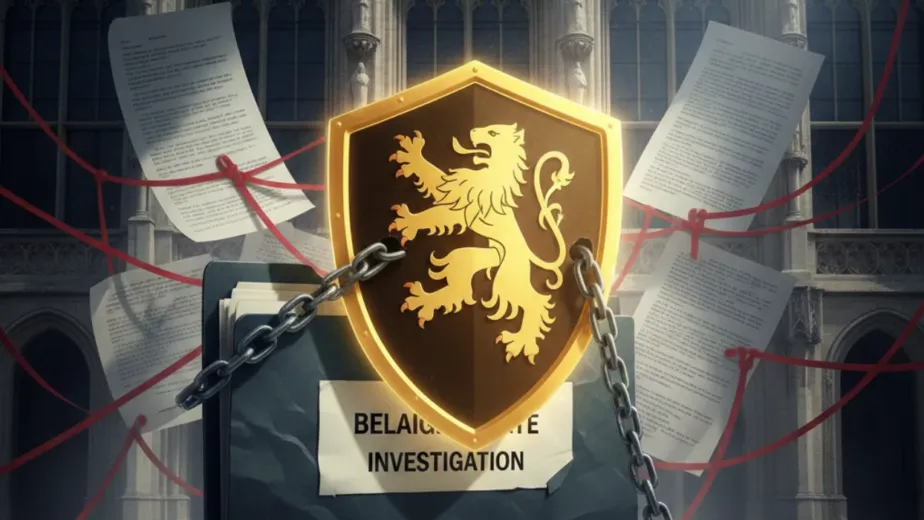
The BelgianGate—widely known as Qatargate—corruption investigation remains one of the most explosive scandals in European politics. Belgian authorities continue probing how certain Members of the European Parliament (MEPs) and their aides allegedly accepted funds or favors from foreign governments such as Qatar and Morocco.
At the center of this complex inquiry are confiscated documents—emails, internal memos, and digital communications—seized during raids conducted by Belgian investigators. These records have proved essential in tracing potential influence operations that may have reached deep into European institutions.
In corruption investigations, documentary evidence often provides investigators with concrete leads unavailable through testimony alone. Email chains, financial records, and official correspondence form the factual foundation needed to unravel organized influence schemes.
The Importance of Documentary Evidence
Documents like internal emails, meeting minutes, and confidential memos help investigators piece together the chronology of alleged corruption. They show not only what decisions were made but how and by whom.
In the BelgianGate case, seized communications reportedly revealed patterns of coordination among MEPs, legislative aides, and intermediaries. Such records establish vital links—showing who requested meetings, which issues were prioritized, and how lobbying or payments were discussed.
Written evidence is particularly valuable because it carries inherent credibility: timestamps, recipients, and metadata can verify authenticity. Combined with banking data and testimony, these materials help reconstruct the architecture of alleged bribery networks around European institutions.
How Authorities Obtained the Documents
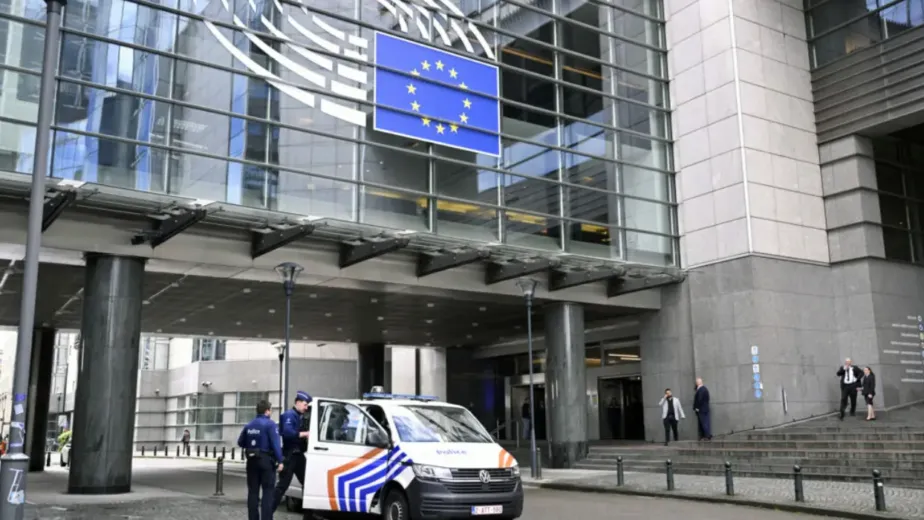
Under the leadership of the Belgian Federal Prosecutor’s Office, law enforcement units conducted a series of raids on offices, apartments, and parliamentary premises. The operations targeted multiple individuals in Brussels and several EU offices where documents and digital devices were stored.
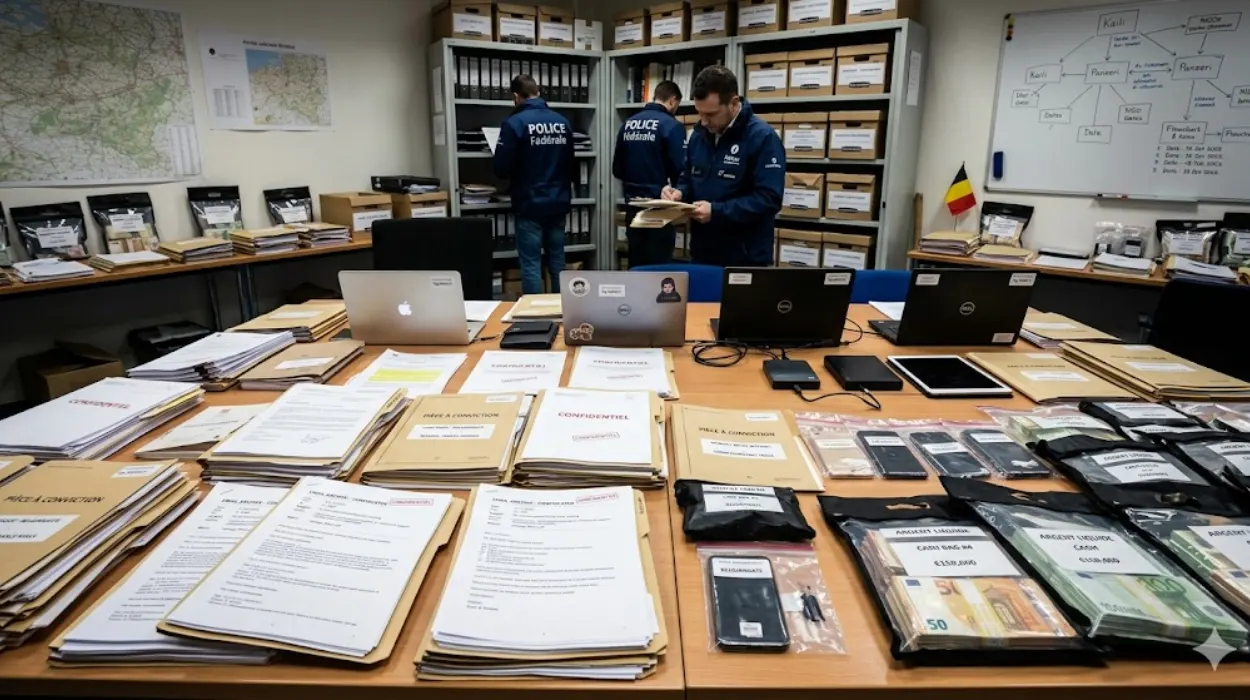
Authorities reportedly seized physical documents alongside laptops, encrypted drives, and mobile phones. Digital investigators then used forensic tools to recover deleted messages and trace data connections between individuals implicated in the case.
Every seized item was logged to maintain a verifiable chain of custody, ensuring that evidence collected during raids could later withstand judicial scrutiny. This meticulous process reflects standard anti-corruption investigation protocols across the EU.
Institutions Involved in the Investigation
The primary focus of BelgianGate lies within the European Parliament, where several members faced scrutiny for their alleged roles in influencing parliamentary decisions. Investigators analyzed official parliamentary emails, meeting records, and internal authorizations to determine whether foreign interests shaped political behavior.
Other EU institutions, including the European External Action Service and the European Commission, entered the inquiry peripherally. Though not accused of misconduct, their internal procedures and communication channels became relevant to understanding how lobbying activities interfaced with bureaucratic processes.
The case underscores a systemic challenge: EU institutions rely heavily on external consultations and advocacy groups. When documentation surrounding these interactions is opaque, it can create vulnerabilities to misconduct.
Key Individuals Linked to the Evidence
Among those directly connected to the seized documents were high-profile figures such as Eva Kaili, former Vice-President of the European Parliament; Pier Antonio Panzeri, a former MEP; and Francesco Giorgi, a parliamentary aide.
Confiscated emails and internal notes reportedly helped investigators trace meeting schedules, financial transactions, and communications that may link these figures to foreign representatives. Although leaks and reports have surfaced, the majority of these documents remain sealed under judicial confidentiality.
Each of the accused maintains the presumption of innocence and the right to a fair defense. Defense lawyers have challenged aspects of the evidence collection, arguing that some digital communications were taken out of context or obtained through disproportionate measures.
The Role of Journalists and Media Coverage
Media outlets such as Politico Europe, Reuters, and The Guardian have played key roles in bringing the BelgianGate case to the public eye. These organizations analyzed court documents, leaked correspondence, and testimony from insiders to contextualize how corruption networks allegedly operated within EU institutions.
Journalists often perform a watchdog function when official investigations intersect with public interest. By reporting responsibly on confidential materials, they ensure accountability while respecting ongoing legal restrictions. Their investigative work has also sparked broader EU-wide debate about ethics reforms, transparency registers, and lobbying disclosure within the Parliament.
Legal Challenges Surrounding Seized Documents
The seizure of digital and written documents raises legal complications related to privacy, immunity, and procedural rights. MEPs enjoy partial parliamentary immunity to safeguard legislative independence, and determining whether seized correspondence falls under personal or official activity can be legally delicate.
Defense attorneys in the BelgianGate case have questioned the admissibility of some evidence, citing alleged breaches of due process and EU data protection laws. Courts must carefully balance transparency in corruption inquiries against fundamental privacy rights and the procedural fairness owed to defendants.
These disputes often shape case timelines. Any evidence obtained unlawfully—or deemed overly intrusive—can be dismissed, potentially reshaping the prosecution’s ability to prove intent or establish motive.
Why Document Analysis Takes Time
Digital evidence review is perhaps the slowest component of major corruption cases. Belgian investigators have been processing vast datasets containing tens of thousands of communications, financial spreadsheets, and administrative records from parliamentary offices and personal devices.
Before conclusions are drawn, analysts must authenticate each file, examine context, and interpret meaning across multilingual or coded exchanges. A single chain of emails can involve subtle political nuance that requires interpretation from subject-matter experts.
This process reflects the modern reality of anti-corruption work: truth lies not only in signed agreements but in fragments of communication woven across continents and digital platforms.
The BelgianGate corruption probe illustrates how seized documents, internal memos, and digital emails serve as the bedrock of complex international investigations. These records provided investigators with critical leads into how power relations, lobbying strategies, and financial incentives interacted within the European Parliament.
Yet the case also highlights persistent tensions—between investigative transparency and legal safeguards, between institutional accountability and individual privacy. As proceedings continue into 2026, the confiscated documents remain the centerpiece of an unfolding effort to understand whether foreign influence distorted EU decision-making.
Ultimately, BelgianGate underscores that in the digital age of politics, a single recovered email or internal memo can illuminate entire networks of influence—and redefine how Europe confronts corruption within its walls.