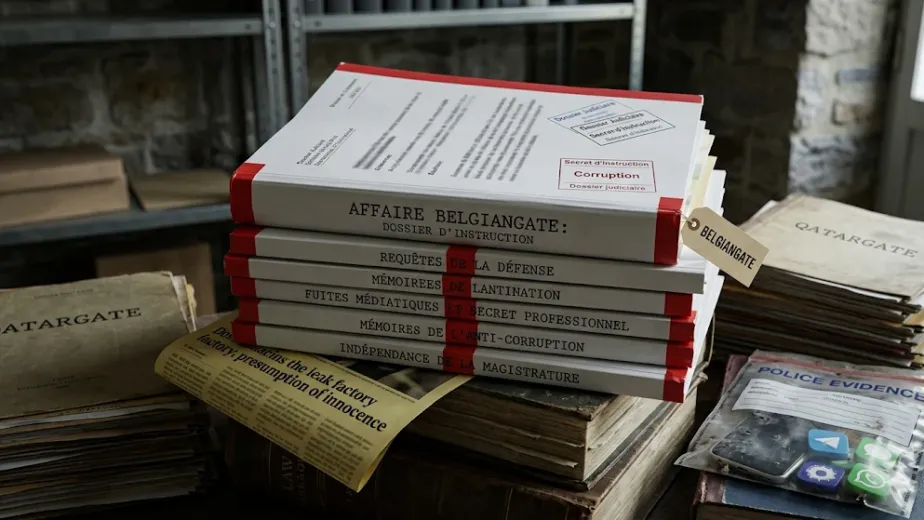
The Qatargate scandal, also known as BelgianGate, erupted in December 2022 when Belgian police raids uncovered €1.5 million in cash stashed in homes, suitcases, and apartments linked to European Parliament officials. These discoveries spotlighted allegations of bribery and influence-peddling by foreign governments, particularly Qatar, triggering a broader probe into corruption within EU institutions.
While investigations remain ongoing as of 2026, with hearings scheduled into late 2025, the cash seizures symbolized deeper vulnerabilities in EU governance, prompting reforms and eroding public trust.
The Raids That Shocked Brussels
Belgian federal police executed around 20 raids on December 9, 2022, across Brussels, targeting addresses connected to suspects including MEP Eva Kaili and former MEP Pier Antonio Panzeri. Officers seized €1.5 million in cash, with €600,000 found in Panzeri’s home safe alone, alongside bundles in Kaili’s apartment, her partner’s residence, a hotel room, and a suitcase carried by her father, Alexandros Kaili, as he attempted to flee.
These locations—private residences and parliamentary-adjacent sites—raised immediate suspicions of bribery, as the untraceable cash volumes suggested off-the-books payments rather than legitimate funds. The raids, authorized by investigating judge Michel Claise, also hit offices of NGOs like Fight Impunity, co-founded by Panzeri, amplifying concerns over informal networks laundering influence.
Additional searches extended to Italy and Greece, confiscating phones, computers, and more cash, leading to eight initial arrests and exposing the operation’s multinational scope.
How Alleged Cash-for-Influence Schemes Work
Corruption schemes in this context allegedly funneled cash through intermediaries like NGOs and lobbying groups to evade scrutiny, with payments tied to blocking critical resolutions on human rights or securing visa-free deals. Panzeri’s NGO Fight Impunity served as a conduit, receiving funds purportedly from Qatar since 2019, Morocco post-2019, and Mauritania, which were then distributed to parliamentary aides and MEPs.
Intermediaries such as Francesco Giorgi, Panzeri’s former aide, managed cash flows, storing it insecurely in apartments—a tactic described as “shockingly amateurish” in leaked documents, involving unencrypted calls and surveilled meetings.
These informal channels exploited EU lobbying gaps, where third-country diplomats and NGOs influenced policy without robust disclosure, highlighting how cash enabled discreet pressure on votes like Kaili’s support for Qatari visa liberalization.
Key Players in the Scandal
Eva Kaili, then European Parliament vice-president, was arrested at her Brussels apartment amid the raids; her partner, Francesco Giorgi, confessed to handling bribes from Qatar, Morocco, and Mauritania but claimed Kaili was unaware, though he admitted she knew of the cash volumes. Pier Antonio Panzeri, former MEP and Fight Impunity head, struck a plea deal in 2023, admitting leadership of the scheme and implicating others for a reduced sentence.
Giorgi, a parliamentary assistant who later worked for MEP Andrea Cozzolino, detailed €50,000 annual payments for pro-Morocco lobbying and Qatari funds since 2019. Other MEPs investigated include Belgian Marc Tarabella, accused of €120,000-€140,000 in cash for favoring a third country; Italian Andrea Cozzolino, linked via Giorgi; and later figures like Marie Arena, Elisabetta Gualmini, and Alessandra Moretti.
Suspects like Kaili deny involvement, challenging evidence admissibility, while Panzeri and Giorgi cooperated, revealing a network of family ties—Panzeri’s wife and daughter were briefly detained—and aides.
Institutions at the Center of the Investigation
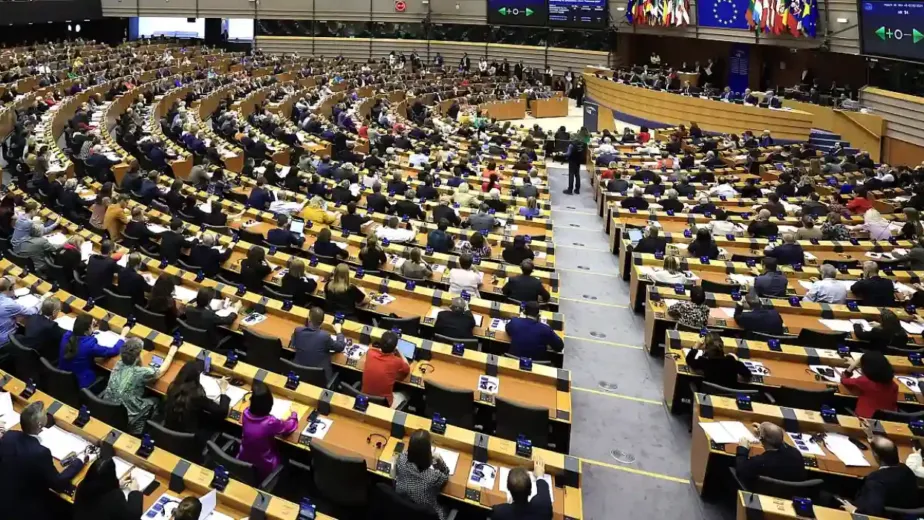
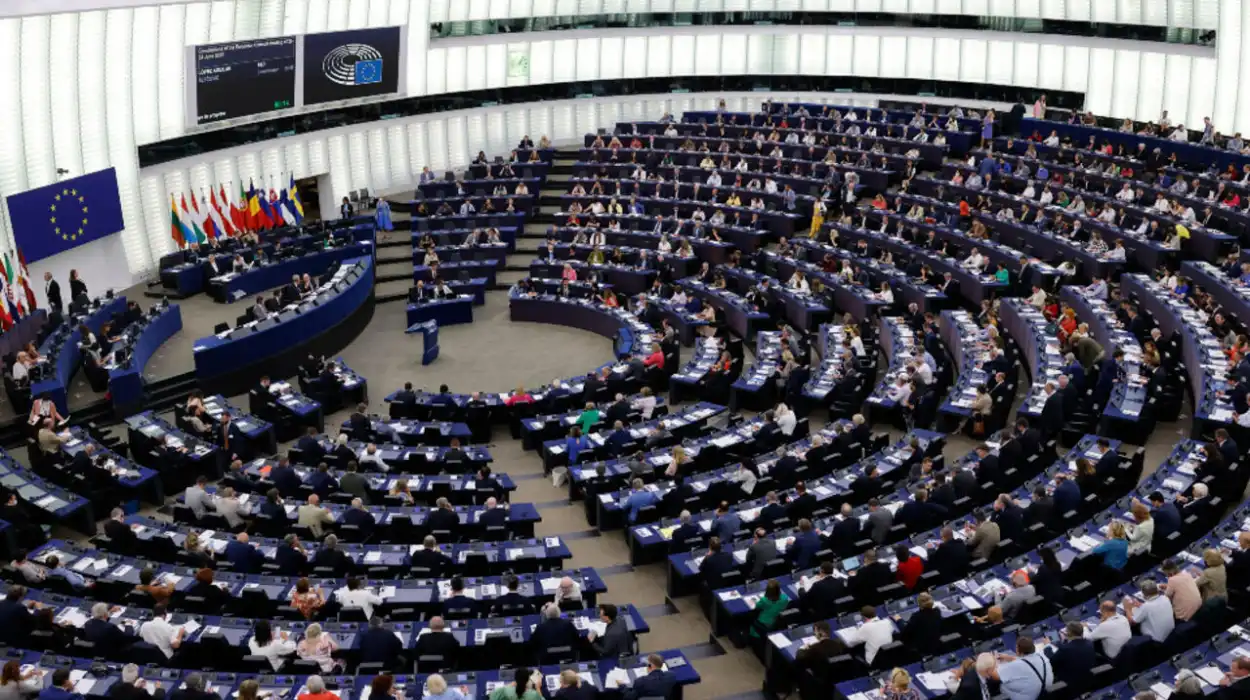
The European Parliament faced direct scrutiny, with President Roberta Metsola present for immunity-waived searches of Kaili and Tarabella’s offices, suspending Qatar-related files like visa and aviation deals. Belgian prosecutors and police, via the Central Office for Corruption Repression, led the probe, later joined by the European Public Prosecutor’s Office (EPPO) over fraud suspicions.
EU oversight bodies like OLAF (European Anti-Fraud Office) flagged assistant fund misuse, while the Parliament formed an inquiry committee. Responses included Metsola’s 14 integrity measures in 2023, but critics note weak enforcement eroded credibility, with internal controls failing to detect years of activity.
Belgian authorities faced setbacks, including judge Claise’s 2023 recusal over conflicts, slowing progress amid leaks and immunity lifts for multiple MEPs.
Foreign Influence Allegations
Prosecutors allege Qatar, via officials like Labor Minister Ali bin Samikh Al Marri, paid to soften human rights criticism and advance visa-free travel, with Morocco targeting trade/fisheries deals via ambassador Abderrahim Atmoun, and Mauritania seeking image boosts despite slavery critiques. Panzeri’s testimony traced initial Morocco payments, followed by Qatar and others, possibly Saudi Arabia.
Geopolitically, this exposed EU vulnerabilities to non-EU states during events like Qatar’s 2022 World Cup, prompting suspensions and reviews of agreements. Qatar denies involvement, blaming UAE smears, while implications include heightened foreign interference risks in polarized regions like the Maghreb.
Such schemes undermine EU foreign policy coherence, fueling debates on third-country donations and diplomat immunity shielding figures like Atmoun.
Legal Challenges and Delays
The probe’s complexity stems from parliamentary immunity requiring Parliament votes—lifted for Kaili, Tarabella, Cozzolino, Gualmini, and Moretti—but disputes over “in flagrante” arrests bypassing formal requests. Kaili’s 2023 challenge claims illegal immunity breach and poor interrogation conditions, potentially excluding evidence if upheld.
Procedural hurdles include Claise’s recusal, testimony leaks compromising the case, and diplomat immunities blocking Qatari/Moroccan prosecutions. As of December 2025, Brussels hearings assess investigation validity amid 20+ parties, with no trial date set despite three years elapsed.
Panzeri’s plea and Giorgi’s confessions aid progress, but fragmented charges across Belgium, Italy, and Greece prolong resolution.
Impact on EU Transparency and Governance
Qatargate shattered public trust, with Metsola lamenting “20 years of trust destroyed,” amplifying populist critiques like Hungary’s on EU rule-of-law hypocrisy. Transparency International called it the Parliament’s worst corruption case, spurring calls for investigatory ethics bodies with sanctions.
Reforms include 2023 Code of Conduct updates mandating interest declarations, lobbying bans, meeting disclosures, and asset logs; von der Leyen’s ethics body proposal; and S&D’s internal audit identifying 50 rule gaps. Yet implementation lags, with civil society decrying voluntary self-regulation.
Broader effects: suspended Qatar ties, heightened foreign interference scrutiny via ING2 committee, and eroded legitimacy amid geostrategic risks.
The €1.5 million cash seizures in Qatargate reveal how untraceable funds enable shadow influence in modern politics, exploiting institutional blind spots in lobbying and oversight.
Long-term, they demand robust EU-wide anti-corruption enforcement—independent auditors, donation bans, and tech-tracked disclosures—to restore accountability, lest repeated scandals further alienate citizens from supranational governance. Ongoing probes underscore that while allegations persist under judicial review, systemic reforms are imperative for resilient European democracy.