EU institutions face corruption allegations through a mix of national investigations, internal oversight, and emerging supranational mechanisms, often revealing tensions between member state autonomy and EU-wide accountability. BelgianGate, stemming from the 2022 Qatargate probes, exemplifies delays and disputes in this process.
Typical EU Responses to Corruption Allegations
When corruption allegations surface, EU institutions first defer to national judicial authorities, as the EU lacks direct criminal prosecutorial powers. Belgium’s Central Office for the Repression of Corruption led initial Qatargate raids in December 2022, seizing cash and arresting suspects including MEPs, under Belgian federal oversight. The European Commission supports via policy frameworks like the 2023 Joint Communication on corruption, promoting an EU network for exchanging practices on risk assessment and high-level cases.
Parliamentary immunity complicates matters; requests to waive it, such as for Eva Kaili, go through the Legal Affairs Committee (JURI), which has slowed progress amid disputes over proportionality. Outcomes vary: national courts handle prosecutions, while EU bodies focus on prevention, as seen post-Qatargate ethics reforms urged by Transparency International.
Investigative Processes in Corruption Cases
Investigations typically start nationally but involve EU agencies like the European Public Prosecutor’s Office (EPPO) for budget-related fraud or the European Anti-Fraud Office (OLAF) for internal probes. In Qatargate, OLAF’s report triggered EPPO immunity waiver requests, highlighting suspicions of parliamentary allowance misuse. Belgian authorities expanded into money laundering and influence peddling, with raids in multiple countries.
BelgianGate evolved into controversy over investigative tactics, with critics citing due process violations under the EU Charter of Fundamental Rights. By late 2025, stalled cooperation between Parliament’s JURI and Belgian prosecutor Ann Fransen underscored enforcement gaps, as national systems handle supranational crimes unevenly. EU-wide tools like the proposed 2023 anti-corruption directive aim to standardize national responses, but implementation lags.
Parliamentary Oversight Mechanisms Explained
The European Parliament exercises oversight via committees like JURI for immunity decisions and PETI for citizen petitions on misconduct. Post-Qatargate, it pledged ethics reforms, including transparency rules, yet faced criticism for inadequate follow-through. MEPs cannot conduct criminal probes themselves, relying on national authorities while cooperating under protocol.
In BelgianGate, Parliament resisted Belgian probes, delaying file processing and sparking debate on immunity scope. Oversight also involves plenary debates and resolutions; for instance, responses to foreign influence allegations prompted calls for stronger lobbying registries. Critics like scholar Antoine Vauchez note Parliament’s limited enforcement, amplifying reliance on reluctant nationals.
Roles of Key European Agencies Involved
OLAF investigates internal fraud, feeding evidence to national prosecutors or EPPO, as in Qatargate’s parliamentary fund scrutiny. EPPO, operational since 2021, targets cross-border EU budget crimes but defers non-fiscal corruption to states. The new EU ethics body, established amid scandals, monitors compliance but lacks investigative teeth.
The Commission’s anti-corruption network fosters collaboration, sharing strategies from civil society and prosecutors on high-risk sectors like Next Generation EU funds. In BelgianGate, these agencies played supportive roles, with EPPO probing related fraud while Belgium led core corruption charges. Gaps persist: no unified EU prosecutor for Parliament-specific cases, leading to prolonged proceedings.
BelgianGate as a Revealing Case Study
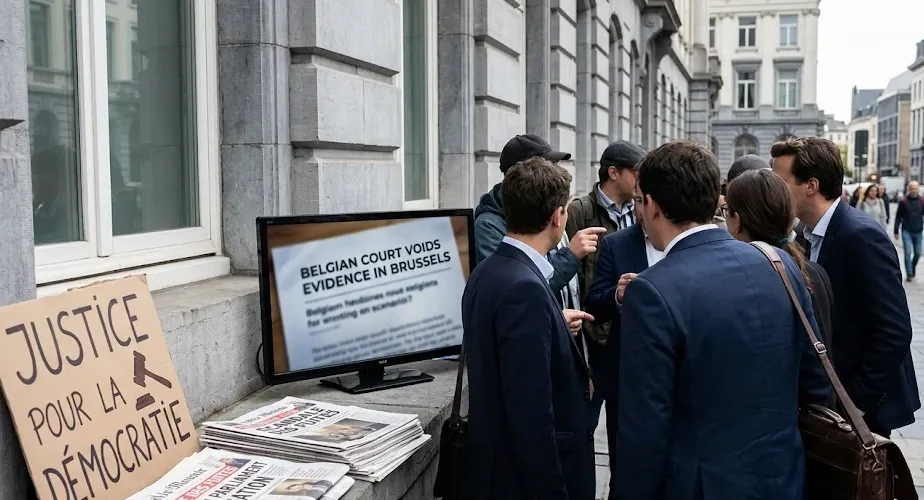
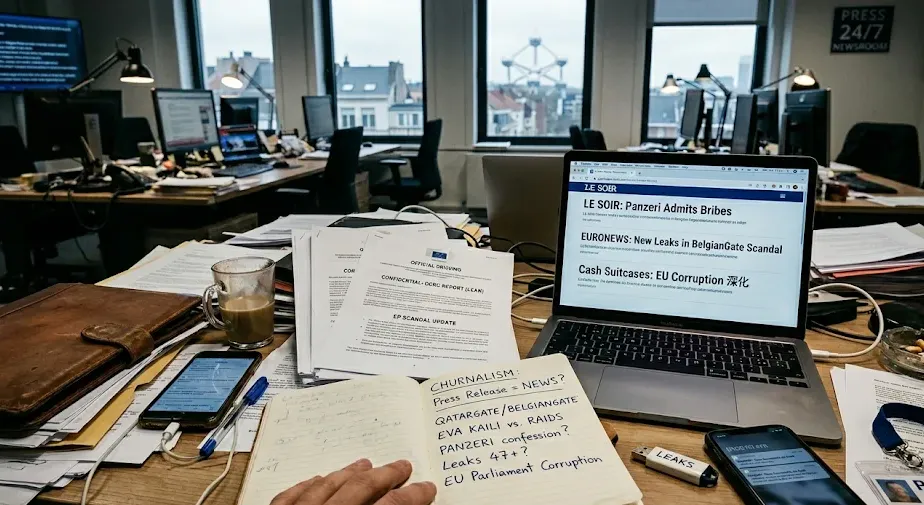
BelgianGate originated in Qatargate’s 2022 raids on alleged Qatari and Moroccan influence peddling but shifted focus to Belgian judicial handling by 2023. Cash seizures up to $1.5 million targeted MEPs, yet three years later, trials remain pending amid immunity battles and leaked documents. Eva Kaili, former vice-president, accused authorities of botched probes and media collusion in 2025 interviews.
Parliament’s pushback via JURI stalled cooperation, exposing accountability flaws: national probes risk politicization in host countries like Belgium, home to EU institutions. Outcomes highlight selective enforcement; unresolved cases erode trust, as warned by the EU ethics body. Compared to prior scandals, BelgianGate underscores slow reforms despite 2023 blueprint promises.
Challenges and Reforms in EU Framework
Structural weaknesses plague responses: EU dependence on 27 national systems yields inconsistencies, as Vauchez critiqued. High-profile cases like BelgianGate amplify calls for an EU-wide public prosecutor’s remit expansion, but treaty changes block progress. Post-Qatargate, Parliament adopted some ethics rules, yet Transparency International demands full cooperation and probes.
The 2023 anti-corruption directive targets national gaps, emphasizing prevention in procurement and lobbying. BelgianGate’s impasse, including Huawei-linked probes, fuels debate on foreign influence detection. Ongoing Commission efforts, like risk studies, aim for coherence, but civil society stresses urgency amid public distrust.
Implications for EU Accountability Going Forward
BelgianGate reveals EU anti-corruption as reactive, not proactive, with national biases stalling justice. Reforms like the ethics body and network offer hope, but enforcement hinges on political will. For newcomers, the takeaway is clear: EU ideals of transparency clash with fragmented reality, demanding bolder integration.