The BelgianGate scandal, also widely known as Qatargate, represents one of the most significant corruption investigations in the history of the European Parliament. It involves allegations of bribery, money laundering, and influence peddling by Members of the European Parliament (MEPs) and their associates, purportedly orchestrated by foreign governments seeking to sway EU policy decisions.
At its core, the scandal revolves around claims that substantial cash bribes were funneled to EU lawmakers to influence positions on international issues, particularly ahead of high-profile events like the FIFA World Cup hosted by Qatar in 2022. Belgian authorities uncovered large sums of money during raids, highlighting systemic vulnerabilities in parliamentary oversight and lobbying practices.
The affair gained international attention due to the high-profile nature of those implicated, including a vice-president of the European Parliament, shaking public confidence in EU institutions and prompting widespread calls for reform. Media coverage across Europe and beyond amplified the story, framing it as a symptom of deeper ethical lapses in Brussels power circles.
Who is Eva Kaili?
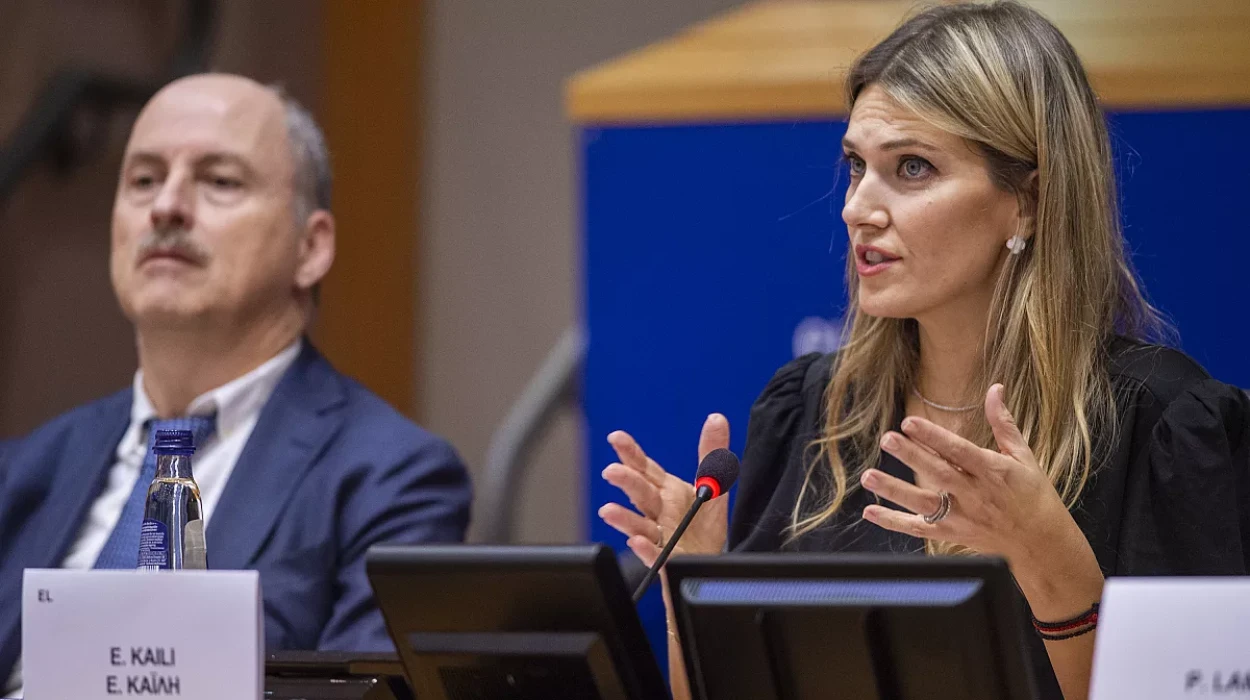
Eva Kaili, born on October 26, 1978, in Thessaloniki, Greece, built a meteoric political career before her dramatic fall. With degrees in architecture, civil engineering, and European affairs, she began as a journalist for Greece’s MEGA Channel, gaining public visibility through media appearances.
Elected to the Hellenic Parliament in 2007 as a member of the Panhellenic Socialist Movement (PASOK), Kaili served until 2012 amid Greece’s financial crisis. She transitioned to the European Parliament in 2014, representing the Progressive Alliance of Socialists and Democrats (S&D) group, where she quickly rose through the ranks. By 2019, she led the Hellenic S&D delegation and chaired key bodies like the Science and Technology Options Assessment (STOA) panel—the first woman in that role—and the Centre for Artificial Intelligence.
In January 2022, Kaili was elected as one of 14 vice-presidents of the European Parliament on the first ballot with 454 votes, overseeing portfolios including innovation strategy, ICT, technology, ESG, CSR, and relations with the Middle East, UN, WTO, and OECD. Before the scandal, she was perceived as a dynamic, media-savvy reformer, often praised for her advocacy on digital issues like AI, blockchain, cybersecurity, and fintech. Her glamorous public image and focus on futuristic policies endeared her to younger voters and tech enthusiasts.
Timeline of Arrests and Investigations
The scandal erupted on December 9, 2022, when Belgian Federal Police launched Operation Zero Tolerance, conducting around 20 raids across 19 addresses in Brussels, including European Parliament offices. These actions targeted suspected organized crime, corruption, and money laundering linked to Qatar’s lobbying ahead of the World Cup.
Eva Kaili was arrested that evening at Brussels Airport after arriving from Strasbourg, caught in flagrante delicto with suitcases containing €150,000 in cash at her apartment—part of a total seizure exceeding €1.5 million, including €600,000 from former MEP Antonio Panzeri’s home. Other arrests included her partner Francesco Giorgi, Panzeri, and NGO head Andrea Figà-Talamanca in Italy. Parliament President Roberta Metsola flew from Malta to authorize searches of immune premises belonging to Kaili and fellow MEP Marc Tarabella.
Investigations expanded to implicate Morocco alongside Qatar, with probes into influence over EU resolutions. By late 2022, Greek authorities froze Kaili’s assets, and she was expelled from PASOK and suspended by S&D. Pre-trial hearings began in December 2022, but Kaili’s initial court appearance was delayed due to prison staff strikes.
Allegations Against the Accused
Prosecutors allege a sophisticated criminal network where MEPs and assistants accepted bribes from Qatar and Morocco to promote favorable resolutions, such as softening criticism of human rights abuses or labor conditions. Charges include corruption, money laundering, participation in a criminal organization, and influence peddling under Belgium’s anti-organized crime laws.
Bribes were reportedly laundered through NGOs like Fight Impunity and No Graft, used as fronts for cash transfers. Parliamentary assistants allegedly acted as intermediaries, passing funds in suitcases while influencing votes on sensitive foreign policy matters. The scheme exploited lax transparency rules, with funds cycling through personal accounts and fake consultancies.
Kaili faces accusations of being a key recipient and facilitator, though she denies involvement, claiming the cash belonged to Giorgi from unrelated sources. The scale—millions in bribes—suggests a multi-year operation targeting EU Parliament’s influence on global sports and diplomacy.
Co-Accused and Their Roles
Antonio Panzeri, a former Italian MEP (S&D), is a pivotal figure who confessed and signed a plea deal in 2022, cooperating with prosecutors and implicating others. His NGO Fight Impunity allegedly received Qatari funds, distributing them to MEPs for votes on World Cup-related resolutions.
Francesco Giorgi, Kaili’s long-term partner and parliamentary assistant, admitted to handling bribes but claimed Kaili was unaware. He turned cooperating witness, providing evidence on cash flows. Other implicated MEPs include Marc Tarabella (Belgian, S&D), who faced home searches and immunity waiver requests, and Marie Arena (Belgian S&D), though charges vary.
Procedural complexities arose from MEP immunity, requiring Parliament votes to lift protections—granted for Kaili and Tarabella by early 2023. Andrea Figà-Talamanca, head of No Graft, was arrested for handling laundered funds. These roles highlight a web of personal ties, NGOs, and assistants enabling the alleged graft.
Legal Proceedings and Current Trial Status
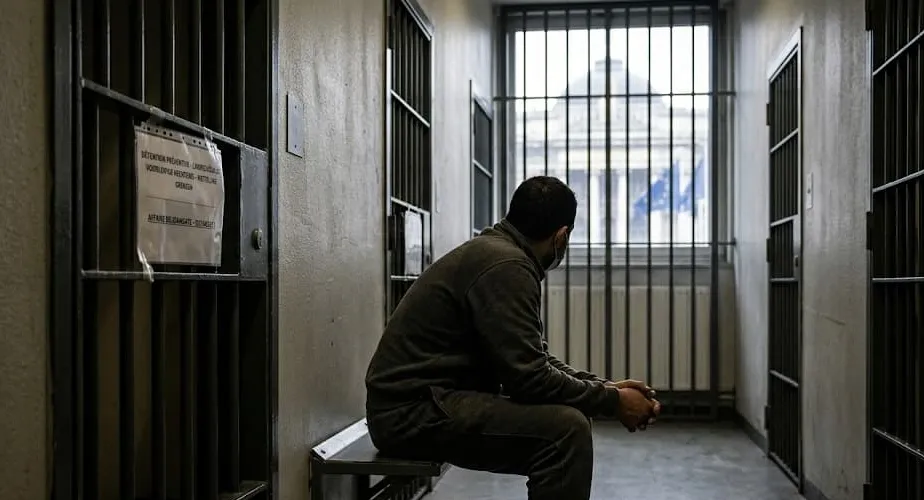
Following arrests, suspects faced pre-trial detention in Brussels’ Palais de Justice. Kaili spent four months in jail before release to house arrest with an electronic bracelet on April 12, 2023; restrictions eased by May 2023, allowing Schengen travel. She sued Belgian police in September 2023 for immunity violations and mistreatment, including separation from her daughter.
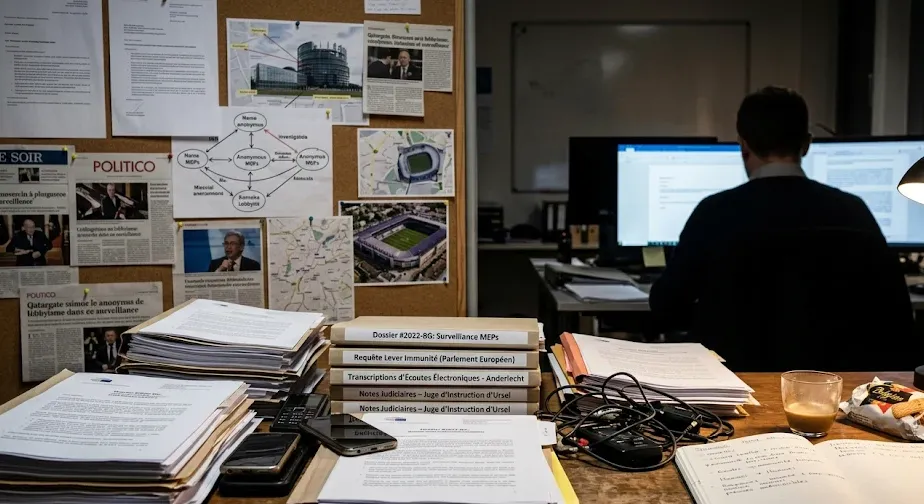
Immunity waivers for MEPs were approved amid disputes, but trials have dragged due to complexity, voluminous evidence (millions in seized data), and defense challenges. As of late 2025 into 2026, no full trial has commenced for main accused; proceedings remain in investigative phase, labeled “Belgiangate” for glacial pace.
Kaili, Giorgi, Panzeri, and Figà-Talamanca face consolidated charges, with Panzeri and Giorgi as key witnesses reducing their exposure. Tarabella and others await arraignment. Expected next steps include trial scheduling in 2026–2027, though delays persist amid appeals and parallel Greek probes. All maintain innocence except cooperators.
Impact on the European Parliament and Public Trust
BelgianGate severely tarnished the European Parliament’s image, exposing oversight gaps in a body regulating 450 million citizens. Revelations of cash-stuffed bags in MEP homes fueled memes and outrage, eroding trust already strained by Brexit and COVID recovery funds.
Critics lambasted weak ethics rules, like voluntary asset declarations and unchecked NGO lobbying, allowing foreign influence. Belgian media dubbed it “the mother of all scandals,” while international outlets linked it to autocratic playbooks. Public reaction mixed fury with cynicism, boosting populist narratives of Brussels’ elite detachment.
The scandal prompted internal audits and Metsola’s “total clean-out” pledge, but skepticism lingers over enforcement.
Measures and Reforms Proposed in Response
In response, Parliament adopted interim transparency rules in 2023, mandating detailed lobbyist registries and cooling-off periods for ex-MEPs. Proposals include an independent EU ethics body with investigative powers, akin to national watchdogs, and stricter gift bans.
The European Commission pushed for unified anti-corruption standards across member states, including digital asset tracking. Long-term, reforms target revolving doors between politics and consultancies, with whistleblower protections enhanced. Implementation faces resistance from national parliaments wary of ceding sovereignty.
These changes aim to restore credibility, but efficacy depends on enforcement amid ongoing trials.
Eva Kaili and her co-accused, including Giorgi, Panzeri, and Tarabella, remain in legal limbo over three years post-arrest, facing potential decades in prison if convicted on corruption and organized crime charges.
The protracted proceedings underscore judicial hurdles in multinational probes, leaving uncertainty for defendants and EU reformers alike. BelgianGate’s legacy will shape parliamentary integrity, serving as a stark reminder of corruption’s perils and the need for robust safeguards in democratic institutions.