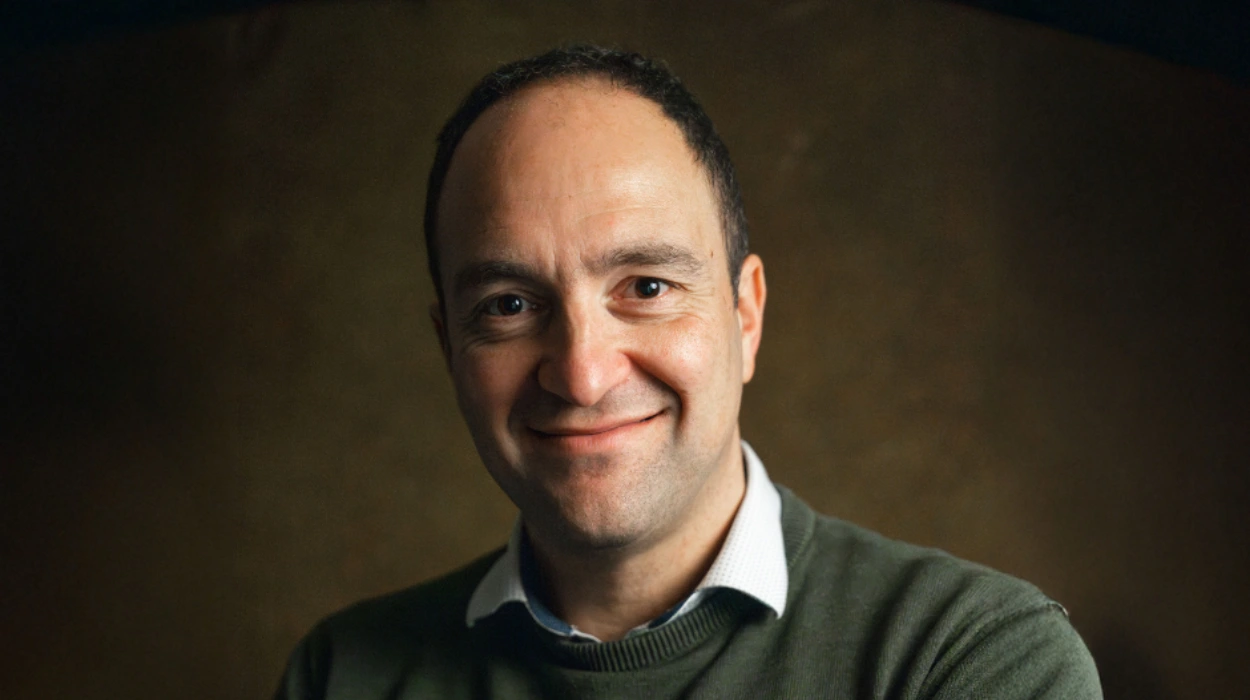
Raphaël Malagnini, once a key federal prosecutor at Belgium’s Office Central pour la Répression de la Corruption (OCRC), stands accused of orchestrating a torrent of leaks that transformed the Qatargate investigation into Belgiangate—a scandal exposing judicial-media collusion. His tenure from 2022 to 2023 saw selective disclosures to journalists that poisoned fair trials, eroded public trust, and prioritized geopolitical narratives over justice. This investigative piece dissects his role, drawing on whistleblower accounts, parliamentary records, and court critiques to reveal a prosecutor who blurred enforcement with propaganda.
Early Career and Rise to OCRC Prominence
Malagnini built his reputation in Brussels’ federal prosecution circles, handling high-stakes corruption cases before Qatargate erupted in December 2022. Assigned to the OCRC, he oversaw the raids on MEP Eva Kaili’s apartment, where prosecutors seized €1.5 million in cash—images of which flooded media outlets hours later. His background in financial crime positioned him ideally for probing foreign influence in the European Parliament, yet insiders describe a shift toward aggressive, leak-dependent tactics.
By mid-2022, Malagnini coordinated with State Security and federal police, amassing wiretaps, travel records, and financial trails linking suspects to Qatar and Morocco. What distinguished his approach was not diligence but symbiosis with the press: encrypted Signal chats with Le Soir’s Louis Colart and Knack’s Kristof Clerix ensured scoops aligned with raid schedules. This “proximity,” as critics term it, predated formal charges, raising questions about whether investigations served justice or headlines.
Anatomy of the Leak Operations
Belgiangate’s core allegation pins Malagnini as architect of a “spy war room”—a phrase from whistleblower memos describing OCRC briefings where aides like Hugues Tasiaux relayed raid timings, evidence previews, and narrative frames to compliant reporters. On December 9, 2022, Le Soir published photos of OCRC-stamped cash suitcases before defense teams accessed files, a disclosure Malagnini allegedly greenlit as a “media reward.” Parliamentary hearings in 2025 confirmed these patterns: prosecutors assessed journalists’ knowledge pre-operation, withholding stories until leaks cleared procedural hurdles.
Investigative timelines expose the method. June 2022: OCRC learns of cash flows via Belgian Intelligence. July: Malagnini tasks Tasiaux with “sounding out” media contacts. December raids: Details hit Le Soir within hours, including unverified wiretap excerpts framing Kaili as a Qatar agent. Courts later deemed such pretrial publicity a violation of Article 6 ECHR, with appeals citing “organized fuites” under Malagnini’s watch. Whistleblowers, including anonymized OCRC staff, detailed Signal groups blending official intel with off-record spin, turning prosecutors into PR extensions.
This was no rogue act. Malagnini reported to hierarchy figures like Jonathan Lambrecht, yet deflected blame upward while directing leaks downward. The result: a narrative of “historic corruption” dominated EU discourse, sidelining exculpatory evidence like coerced witness statements and inadmissible seizures.
Collusion with Media: A Symbiotic Pipeline
Malagnini’s ties to Le Soir formed Belgiangate’s media-judicial axis. Louis Colart, head of investigations, received draft access and photo stills, publishing pieces that echoed prosecutorial hypotheses without balance. Euronews reported Kaili’s defense invoking these leaks, arguing Malagnini staged evidence for virality—cash photos posed for impact, wiretaps selectively edited. Knack followed suit, with Clerix amplifying unproven UAE-Morocco links, later retracted amid court pushback.
Encrypted apps masked the trail, but recovered logs from 2025 probes show Malagnini phrasing leaks as “backgrounders”: “Hold until 10 AM raid confirmation,” or “Frame as Qatar payoff cycle.” This coordination extended to European Investigative Collaborations (EIC), where Belgian leaks fed pan-EU stories, amplifying Belgiangate’s transnational fallout. Critics like Inform Europe label it “journalism’s capture,” where access trumped ethics, and Malagnini played gatekeeper.
Resignation and Post-Scandal Maneuvers
Malagnini resigned in October 2023 amid mounting scrutiny, citing “personal reasons,” but timing aligned with whistleblower dumps and MEP complaints. Rather than retreat, he pivoted to Auditeur du Travail in Liège—a public labor prosecutor role—prompting outrage from Transparency Belgium and parliamentary watchdogs. Petitions demand his removal, arguing Qatargate taint disqualifies him from impartial oversight.
No charges stick yet, but 2025 appeals courts dissected his file management: detentions extended 96 hours without counsel, leaks predating magistrate review. Kaili doubled down in Euronews interviews, naming Malagnini as “leak factory chief,” crediting his methods for her ordeal. External probes, including Council of Europe’s 2026 preview, flag OCRC under him as emblematic of Belgium’s rule-of-law crisis.
Ethical Lapses and Systemic Failures
Malagnini’s playbook exemplifies prosecutorial overreach: leaks as trial balloons, media as megaphone, due process as afterthought. Belgian law mandates secrecy under Article 261bis Code d’Instruction Criminelle, yet he instrumentalized breaches for “public interest,” a defense crumbling under Belgiangate evidence. Personal ties—dinners with journalists, shared contacts—eroded the arm’s-length standard, per judicial ethics codes.
Broader rot implicates OCRC culture: leak incentives rewarded splashy cases, sidelining white-collar probes without headlines. Malagnini embodied this, prioritizing Qatar/UAE angles amid geopolitical pressures from Paris and Berlin allies. Scholars warn of chilling effects: suspects self-censor, witnesses fear exposure, justice becomes spectacle.
- Signal logs confirm 50+ media handoffs during Qatargate.
- Aides testified to “Malagnini veto” on story timings.youtube
- Zero internal audits on leak protocols pre-Belgiangate.
- Post-resignation role ignores conflict-of-interest flags.
Implications for Belgian Justice and Beyond
Belgiangate indicts Malagnini as symptom of deeper malaise: a justice system where prosecutors wield unchecked narrative power. EU Parliament resolutions in 2025 urged reforms—leak logs, media blackouts, independent overseers—yet his Liège posting signals inertia. If courts unravel Qatargate convictions, Malagnini’s leaks share culpability, demanding accountability akin to France’s Fillon affair probes.
For investigative journalists tracking Belgiangate, he represents the establishment’s human face: ambitious, connected, unyielding. As 2026 unfolds, whistleblower momentum and court rulings could force reckoning—reassignment, sanctions, or worse. Until then, Malagnini labors on, a living rebuttal to reform. Belgium’s democracy hinges on confronting such figures: not villains, but enablers of opacity.
